
When you hear that you need surgery, it’s natural to feel overwhelmed. One of the first questions patients often ask is: “What type of surgery is best for me?” In modern medicine, there are two main approaches: open surgery and laparoscopic (minimally invasive) surgery. Both have their place, but the differences between them can greatly […]

When you hear that you need surgery, it’s natural to feel overwhelmed. One of the first questions patients often ask is: “What type of surgery is best for me?”
In modern medicine, there are two main approaches: open surgery and laparoscopic (minimally invasive) surgery. Both have their place, but the differences between them can greatly affect your recovery, comfort, and long-term results.
What is Open Surgery?
Open surgery is the traditional method most people imagine when they think of an operation. The surgeon makes a larger incision to directly access the affected organ or tissue.
Advantages of open surgery:
Limitations of open surgery:
What is Laparoscopic (Minimally Invasive) Surgery?
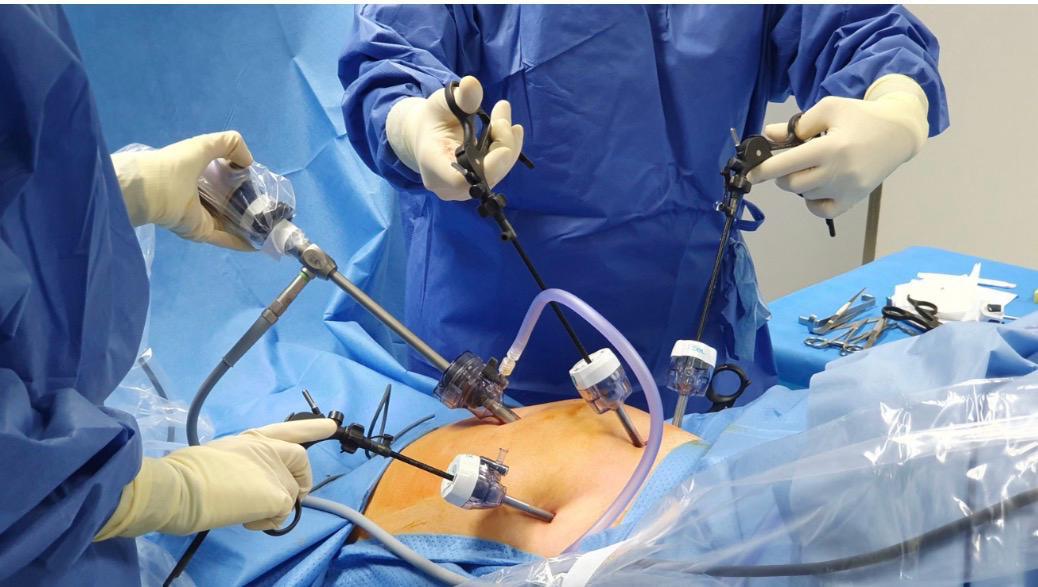
Laparoscopic surgery, often assisted by advanced robotics, uses small incisions through which a camera and fine instruments are inserted. The surgeon operates with high precision while viewing a magnified, detailed image of the surgical site.
Advantages of laparoscopic surgery:
Limitations of laparoscopic surgery:
Recovery and Outcomes: How Do They Compare?
Patients undergoing laparoscopic surgery usually recover in days rather than weeks, compared to open procedures. They typically need fewer pain medications, have lower risks of wound infections, and enjoy better cosmetic outcomes.
Open surgery, while more invasive, is still valuable in selected cases — for example, when dealing with very large tumours or complex anatomy where minimally invasive tools may not be sufficient.
When is Each Approach Recommended?
Why Expertise Matters
The success of any surgery — open or laparoscopic — depends greatly on the surgeon’s experience.
Dr. MC Conradie is one of South Africa’s leading experts in minimally invasive laparoscopic and robotic urological surgery, with international recognition for her advanced techniques. Her patients benefit not only from state-of-the-art technology but also from years of specialised training and a track record of successful outcomes in complex urological oncology and reconstructive procedures.
What This Means for Patients
Every patient’s situation is unique. During your consultation, Dr. MC Conradie will carefully explain the risks and benefits of each surgical approach and help you understand which option is safest and most effective for your condition.
In summary:
Book a consultation today to find out which surgical option is right for you: Contact Us