
More Than a Number This year marks a remarkable professional milestone. It commemorates 25 years in surgical practice – a quarter of a century dedicated to advancing minimally invasive urological surgery. It also marks the achievement of 10,000 laparoscopic procedures, a milestone that is exceptionally uncommon for a single surgeon. While numbers alone never define […]
More Than a Number
This year marks a remarkable professional milestone. It commemorates 25 years in surgical practice – a quarter of a century dedicated to advancing minimally invasive urological surgery. It also marks the achievement of 10,000 laparoscopic procedures, a milestone that is exceptionally uncommon for a single surgeon.
While numbers alone never define expertise, they often reflect something far more meaningful. The milestone of 10,000 laparoscopic surgeries represents decades of experience, thousands of clinical decisions, continual refinement of technique, and an unwavering commitment to improving patient outcomes.
Every operation teaches a lesson. Every patient presents a unique challenge. Every unexpected finding adds to the depth of knowledge that can only be gained through experience.
In surgery, expertise is not measured simply by years in practice or by technical ability. It is built through repetition, reflection, continual learning and the privilege of caring for thousands of patients over time.
Why Surgical Volume Matters
Across many surgical specialties, research has consistently shown that higher surgical volumes are associated with improved patient outcomes. Experience shapes much more than technical skill. It develops judgement, confidence and the ability to make sound decisions when surgery becomes more complex than anticipated.
With increasing experience comes:
Surgery is learned one patient at a time. Over thousands of procedures, those individual experiences accumulate into expertise that simply cannot be taught from textbooks or simulations alone.
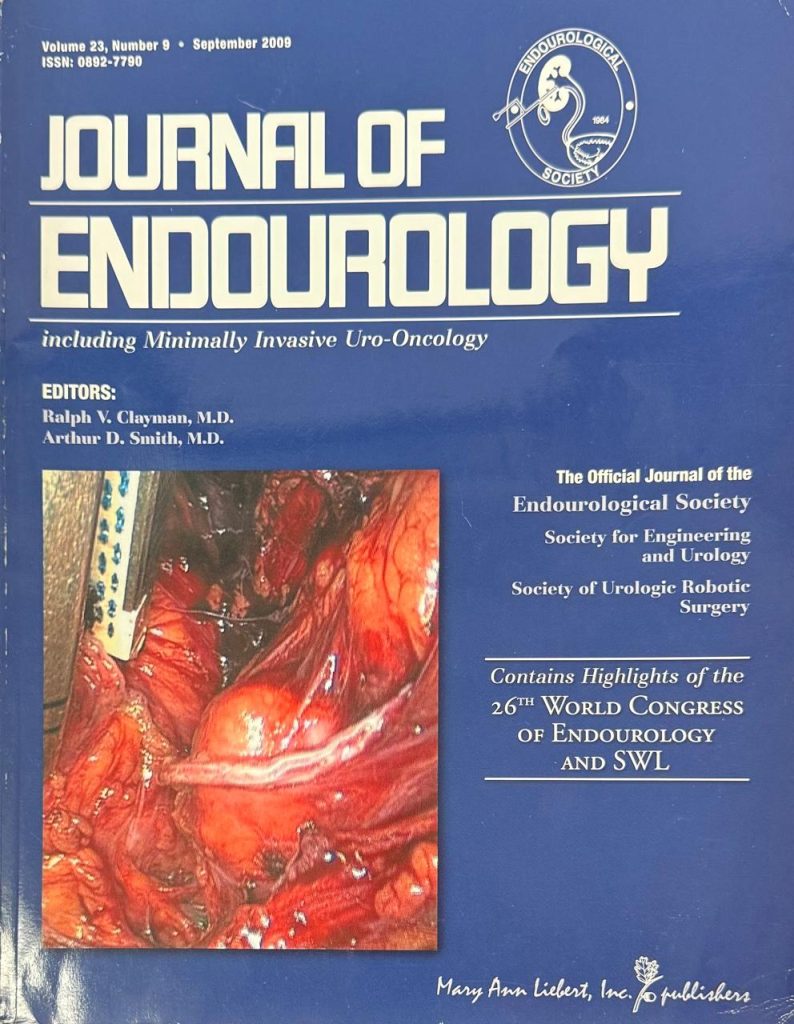
WHEN SURGICAL EXPERIENCE CONTRIBUTES TO MEDICAL LITERATURE Featured on the cover of the Journal of Endourology for a published article on laparoscopic nephrectomy techniques.
Every Operation Adds to Experience
No two patients are ever the same. Even when treating the same condition, anatomy, previous surgery, scar tissue and disease complexity differ from one individual to another.
Over time, this develops:
Many of the most valuable lessons are learned when surgery does not unfold exactly as expected. It is through adapting to those moments that experience becomes expertise.
The Learning Curve of Laparoscopic Surgery
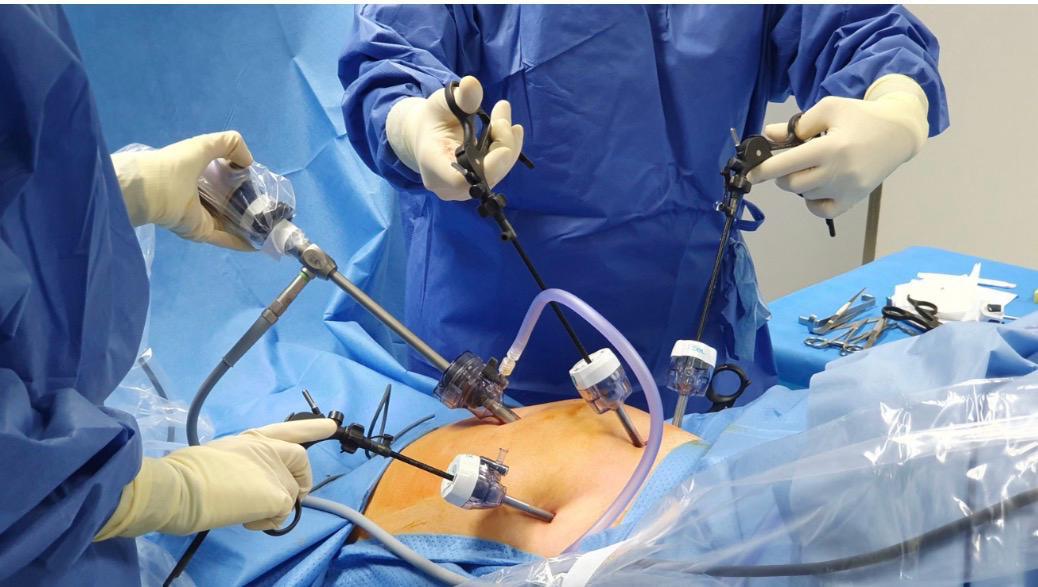
Laparoscopic surgery revolutionised modern urology by allowing increasingly complex procedures to be performed through small incisions. However, minimally invasive surgery requires an entirely different set of technical skills.
Operating through small ports demands:
These skills develop only through years of dedicated practice. The milestone of 10,000 laparoscopic procedures reflects not simply repetition, but decades of continual refinement of surgical technique.
What Experience Means for Patients
From a patient’s perspective, experience extends far beyond the operation itself.
It influences:
No surgeon can ever guarantee an outcome. However, experience creates the best possible environment for achieving safe surgery and durable results.
As the years pass, one realises that surgery is far more than technical execution. Every successful operation is the accumulation of hundreds of decisions made before, during and after the procedure.
Experience Matters Most in Complex Surgery
Some operations present challenges well beyond standard anatomy.
These include patients with:
Managing these situations requires experience that has been developed over many years and thousands of operations. It is often in these complex referral cases where surgical judgement becomes every bit as important as technical skill.
Mastery Never Ends
One of the greatest misconceptions about surgery is that mastery is a destination.
It is not!
Mastery is a process of continual refinement. Throughout a surgical career, techniques continue to evolve, including:
Medicine continues to evolve, and surgeons must evolve with it.
One lesson becomes increasingly clear over time:
Surgery is ninety percent planning and ten percent execution.
The operation itself is only the visible part of a much larger process.
A Personal Reflection
Reaching the milestone of 10,000 laparoscopic surgeries has prompted me to reflect on the extraordinary journey of minimally invasive urology over the past 25 years.
Rather than attempting to summarise a quarter of a century of experience in a single article, I have decided to share my experience in a five-part weekly series.
Each week I will offer my personal perspective on the evolution of minimally invasive and reconstructive urology, the lessons learned along the way, and how experience continues to shape surgical practice.
The series will include:
These articles are not intended to be scientific reviews. Instead, they are personal reflections on a career spent embracing innovation, refining technique and continually striving to improve patient care.
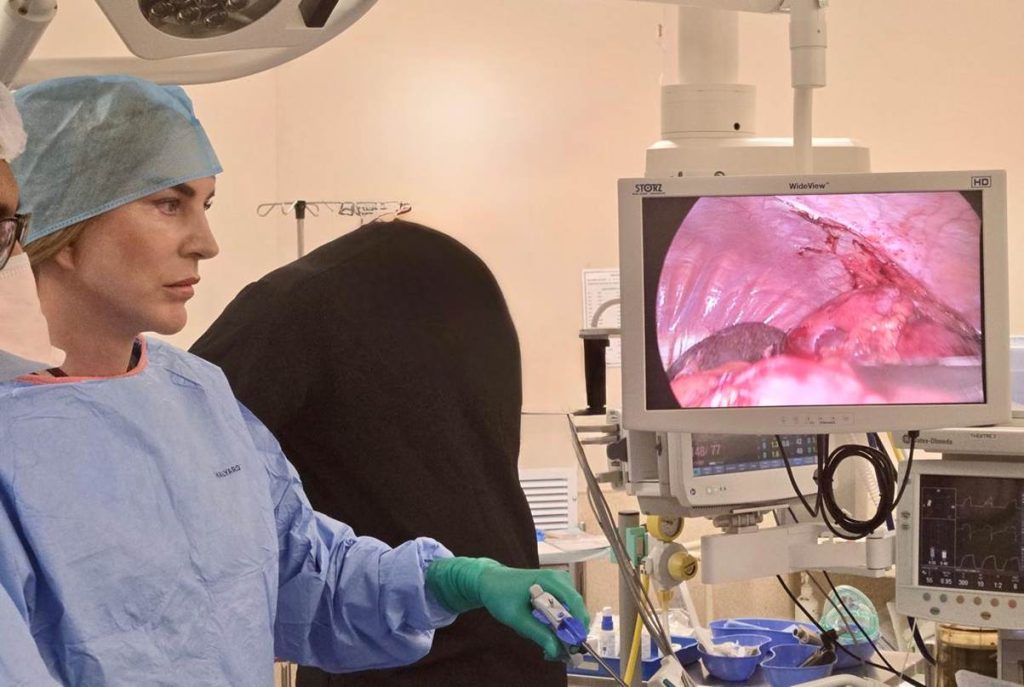
A Quarter of a Century of Perspective
Twenty-five years in surgery is more than a professional milestone—it is a quarter of a century of continual learning. The milestone of 10,000 laparoscopic procedures is not significant because of the number itself.
It is significant because it represents thousands of opportunities to learn.
As I begin this weekly series, I hope to share not only the evolution of modern urological surgery, but also some of the lessons that only time, experience and thousands of operations can teach.
Because the pursuit of excellence in surgery never truly ends.