
Surgery Is Only One Part of Your Journey Preparing for surgery often focuses on the procedure itself. Patients naturally want to know what will happen in theatre, how long the operation will take, and what recovery will involve. While every operation is carefully planned and performed, the recovery period is just as important as the […]

Preparing for surgery often focuses on the procedure itself. Patients naturally want to know what will happen in theatre, how long the operation will take, and what recovery will involve. While every operation is carefully planned and performed, the recovery period is just as important as the surgery itself.
Understanding what to expect after your procedure can make recovery less stressful, help you recognise what is normal during healing, and give you confidence throughout the process.
As a specialist in minimally invasive and reconstructive urological surgery, Dr MC Conradie performs a range of advanced laparoscopic and robotic-assisted procedures. Although every patient’s recovery is unique, there are common milestones that most patients can expect following surgery.
This guide provides an overview of the recovery process after some of the most commonly performed procedures in Dr Conradie’s practice.
Hospital Stay
Most patients remain in hospital for approximately 4–7 days following surgery, depending on their recovery and overall health.
Immediately After Surgery
Following surgery you will be encouraged to begin moving as soon as it is safe to do so. Walking early helps reduce the risk of complications and promotes recovery. Your healthcare team will monitor your pain control, kidney function and overall progress before discharge.
Wound Care
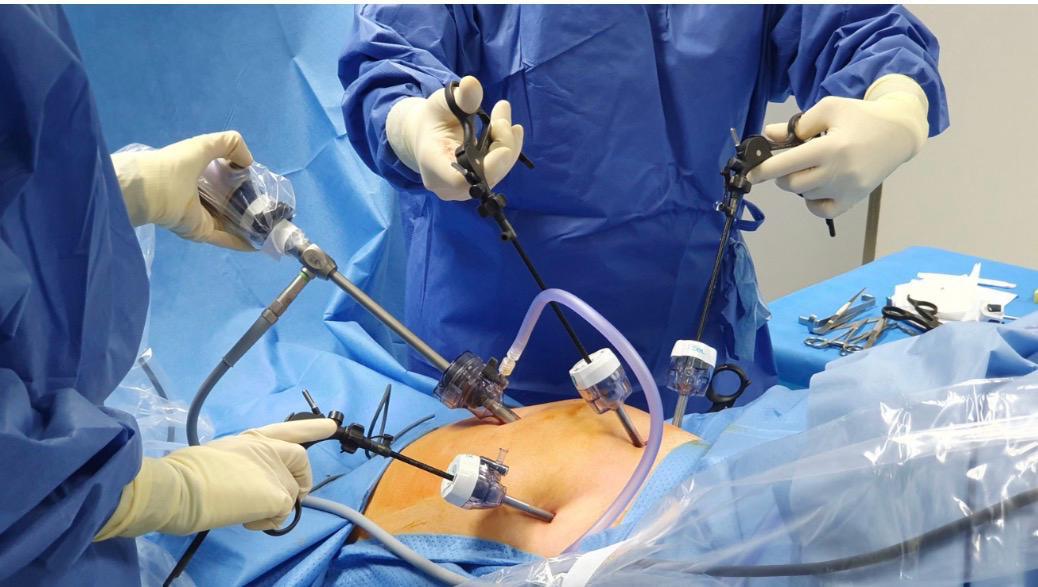
As this is a laparoscopic (keyhole) procedure, three small incisions are made in the abdomen.
After discharge:
What to Expect During Recovery
It is normal to experience:
Most patients are encouraged to gradually increase their activity while avoiding strenuous lifting until advised otherwise.
Follow-Up Appointment
A routine review is scheduled approximately 6 weeks after surgery to assess healing, discuss recovery and plan any ongoing surveillance or treatment.


Hospital Stay
Most patients remain in hospital for approximately 3–4 days.
Immediately After Surgery
An abdominal drain is usually placed during surgery to remove excess fluid. The drain is generally removed before discharge once your surgeon is satisfied with your recovery.
Wound Care
As this is also a laparoscopic procedure, the same wound care principles apply.
After discharge:
What to Expect During Recovery
Following surgery, patients commonly experience:
Your surgeon will advise when normal activities can safely be resumed.
Follow-Up Appointment
A routine review is arranged approximately 6 weeks after surgery to monitor healing and assess the success of the repair. Removal of the JJ stent is usually booked for this time as well. The JJ stent is done in the OR under a light anaesthetic.
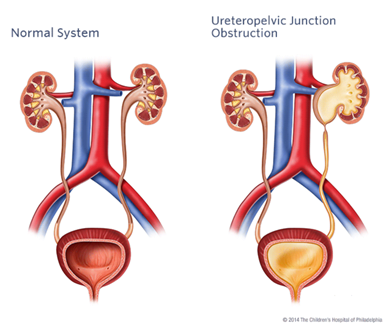
(Image Source: Children’s Hospital of Philadelphia,
Link: https://www.chop.edu/conditions-diseases/ureteropelvic-junction-upj-obstruction )
Hospital Stay
Most patients remain in hospital for approximately 2 days.
Immediately After Surgery
Immediately following surgery:
On the second day after surgery, both the catheter and vaginal pack are removed. Once you are comfortably passing urine without assistance, you will usually be discharged home.
Wound Care
The laparoscopic incision sites should be cared for as follows:
What to Expect During Recovery
During the first few weeks it is common to experience:
Heavy lifting and strenuous activity should be avoided for 6 weeks. Sexual activity can commence after your 6 week follow up visit.
Follow-Up Appointment
Your routine follow-up appointment takes place approximately 6 weeks after surgery to assess healing and recovery.
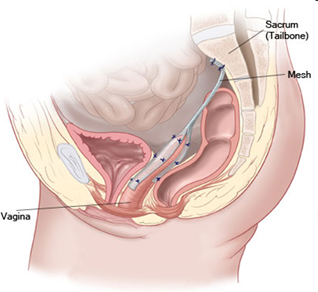
Hospital Stay
Most patients stay in hospital for 1 night, although some may require a slightly longer stay depending on recovery.
Immediately After Surgery
Walking is encouraged soon after surgery to improve circulation and reduce the risk of a blood clot and DVT. Your healthcare team will ensure your pain is well controlled before discharge.
Wound Care
Following discharge:
What to Expect During Recovery
Patients commonly notice:
Avoid heavy lifting till after your 6 week follow up visit.
Follow-Up Appointment
A routine review is scheduled approximately 6 weeks after surgery to assess healing and your return to normal activities.
Hospital Stay
Most patients remain in hospital for approximately 2 days.
Immediately After Surgery
Following surgery, you will return home with a urinary catheter.
Before discharge:
Wound Care
After discharge:
What to Expect During Recovery
It is normal to experience:
Recovery continues over several weeks, and your healthcare team will provide guidance throughout the process.
Follow-Up Appointment
Your catheter will usually be removed approximately 14 days after surgery. A further routine review is scheduled around 6 weeks after surgery to assess healing, discuss pathology results where appropriate, review symptoms and plan ongoing surveillance. The first post operative PSA is done at 6 weeks and should be less than 0.02.
Although every procedure is different, the principles of wound care remain the same.
After surgery, patients are encouraged to:
Small laparoscopic wounds generally heal very well, but giving the body time to recover remains an important part of achieving the best possible outcome.
Every patient heals at a different pace.
It is normal to experience:
Healing is a process, and most patients notice steady improvement rather than immediate recovery.
Although most recoveries progress without complication, patients should contact their healthcare team if they experience:
Early assessment often allows concerns to be addressed before they develop into more significant problems.
The operation itself is only one stage of your treatment.
Recovery continues long after you leave hospital, which is why follow-up appointments form an important part of your overall care.
These appointments allow your surgeon to:
Follow-up care ensures that recovery is progressing as expected and provides an opportunity to identify and address any concerns early.
Recovery after surgery is not only about caring for your wounds and taking your prescribed medication. What you eat, how well you hydrate and maintaining comfortable bowel function are also important parts of the healing process, particularly during the first 10–14 days after surgery.
Following procedures such as laparoscopic kidney surgery, prostate surgery, laparoscopic sacrocolpopexy and hysterectomy, patients are generally encouraged to follow a soft, gut-friendly diet, drink plenty of water and take steps to prevent constipation. Anaesthesia, changes in activity levels and certain post-operative medications can all affect normal bowel function, making constipation and digestive discomfort more likely during recovery.
During this initial period, focus on gentle, easily digested and nourishing foods such as steamed chicken or fish, mashed vegetables or potatoes, and soups or broths. Where clinically appropriate, it may also be helpful to limit refined sugars, red meat and heavier grain-based foods that could contribute to constipation or digestive discomfort.
Alongside your standard take-home medication, your surgeon may prescribe or recommend a stool softener such as Movicol, where appropriate. This should be used according to the instructions provided by your healthcare team.
Most importantly, post-operative nutrition and bowel care should not be treated as an afterthought. Supporting your digestive system, maintaining good hydration and preventing constipation can contribute to a more comfortable recovery and form an important part of your overall healing journey.
Successful surgery is measured by more than what happens in the operating theatre.
It is also measured by how well patients recover afterwards.
Whether recovering from a laparoscopic nephrectomy, pyeloplasty, sacrocolpopexy, inguinal hernia repair or robotic-assisted radical prostatectomy, understanding what to expect helps patients approach recovery with confidence.
As a specialist in minimally invasive and reconstructive urological surgery, Dr MC Conradie believes that patient care extends well beyond the operation itself. Careful post-operative management, clear communication and structured follow-up are all essential components of achieving the best possible surgical outcome. Recovery is not simply the period after surgery—it is an integral part of the treatment journey.