
Many women experience a heavy feeling in the pelvis, discomfort during daily activities, or changes in bladder and bowel habits – but often don’t realise these symptoms may be due to pelvic organ prolapse (POP). It’s a condition that is far more common than most people think, yet it remains under-discussed because of stigma or […]

Many women experience a heavy feeling in the pelvis, discomfort during daily activities, or changes in bladder and bowel habits – but often don’t realise these symptoms may be due to pelvic organ prolapse (POP). It’s a condition that is far more common than most people think, yet it remains under-discussed because of stigma or embarrassment.
The good news is you don’t have to suffer in silence. With the right care, pelvic organ prolapse can be effectively managed and treated – helping women restore confidence, comfort, and quality of life.
What is Pelvic Organ Prolapse?
Pelvic organ prolapse happens when the muscles and tissues that support the pelvic floor weaken, causing organs such as the bladder, uterus, or rectum to drop from their normal position and press into the vaginal wall.
This can vary in severity – some women may only feel mild pressure, while others experience significant symptoms that affect their daily life.
Causes and Risk Factors
Several factors can increase the likelihood of pelvic organ prolapse, including:
Symptoms to Look Out For
Signs of pelvic organ prolapse can differ from woman to woman, but common symptoms include:
The Impact on Daily Life
Pelvic organ prolapse is not just a medical issue – it can deeply affect a woman’s daily activities, self-confidence, and even intimate relationships. Many women delay seeking help because they think it’s a “normal part of aging” or feel too embarrassed to talk about it. The reality is, effective treatment exists, and no woman should have to simply live with the discomfort.
Treatment Options
Management and treatment depend on the severity of the prolapse and a woman’s personal needs:
Why See a Specialist?
Not all doctors are trained in advanced pelvic floor and reconstructive surgery. That’s why it’s important to seek care from a specialist with expertise in urogynaecology.
Dr. MC Conradie is an expert in:
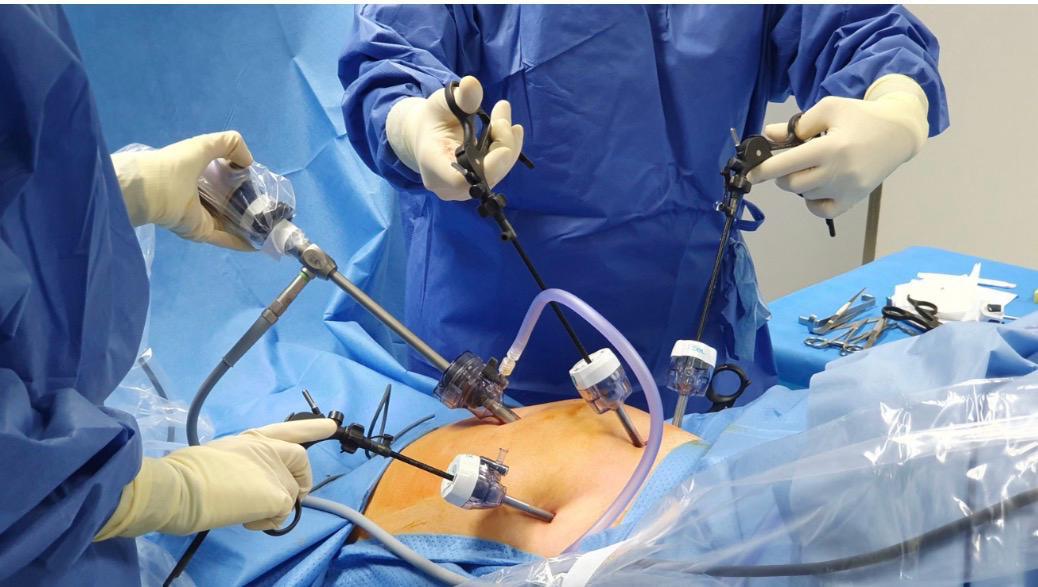
Not only does Dr. Conradie excel in the treatment of pelvic organ prolapse through advanced laparoscopic and reconstructive techniques, but she also brings a unique background in biomechanics to her practice. With this expertise, she has personally designed and commissioned specialised medical equipment used in prolapse surgical procedures. This ensures that patients benefit from innovative, precise, and tailored surgical care — combining international-standard expertise with tools developed specifically to improve outcomes.
Whether you are a woman experiencing symptoms or a doctor seeking the right specialist for your patient, you can trust Dr. Conradie to provide world-class, minimally invasive care with excellent outcomes.
Pelvic organ prolapse is common, but it doesn’t have to define your life. With the right support and treatment, women can regain comfort, confidence, and control over their health.
If you’re experiencing symptoms—or if you’re a healthcare provider looking for a trusted referral point—Dr. MC Conradie is here to help.