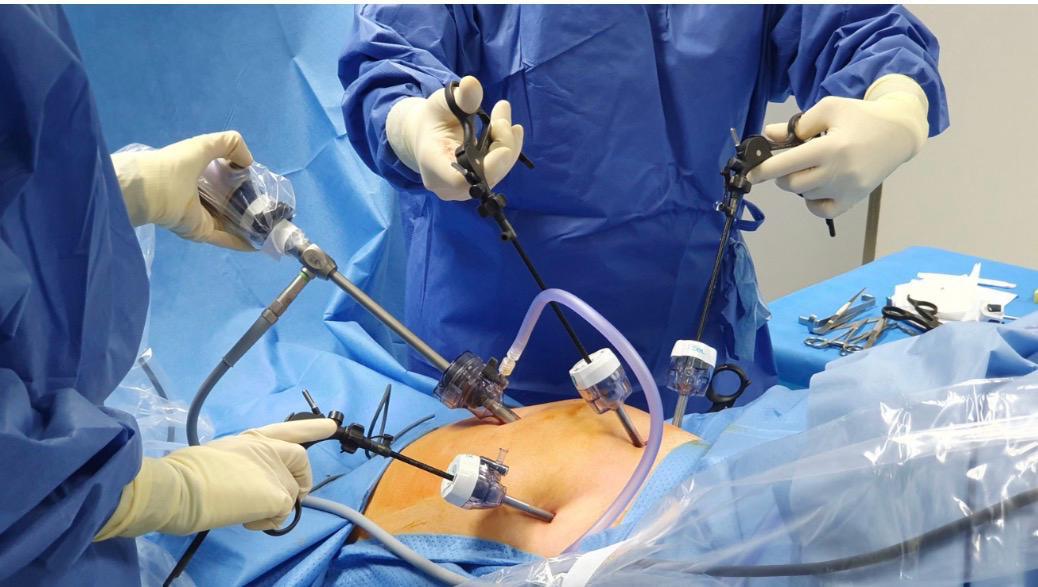

Sometimes treating the problem is only the first part of the operation. The next challenge is restoring function. In many urological operations, the objective seems straightforward: remove a tumour, correct an obstruction, repair an injury or treat a prolapse. But complex surgery does not always end once the original problem has been addressed. Removing diseased […]
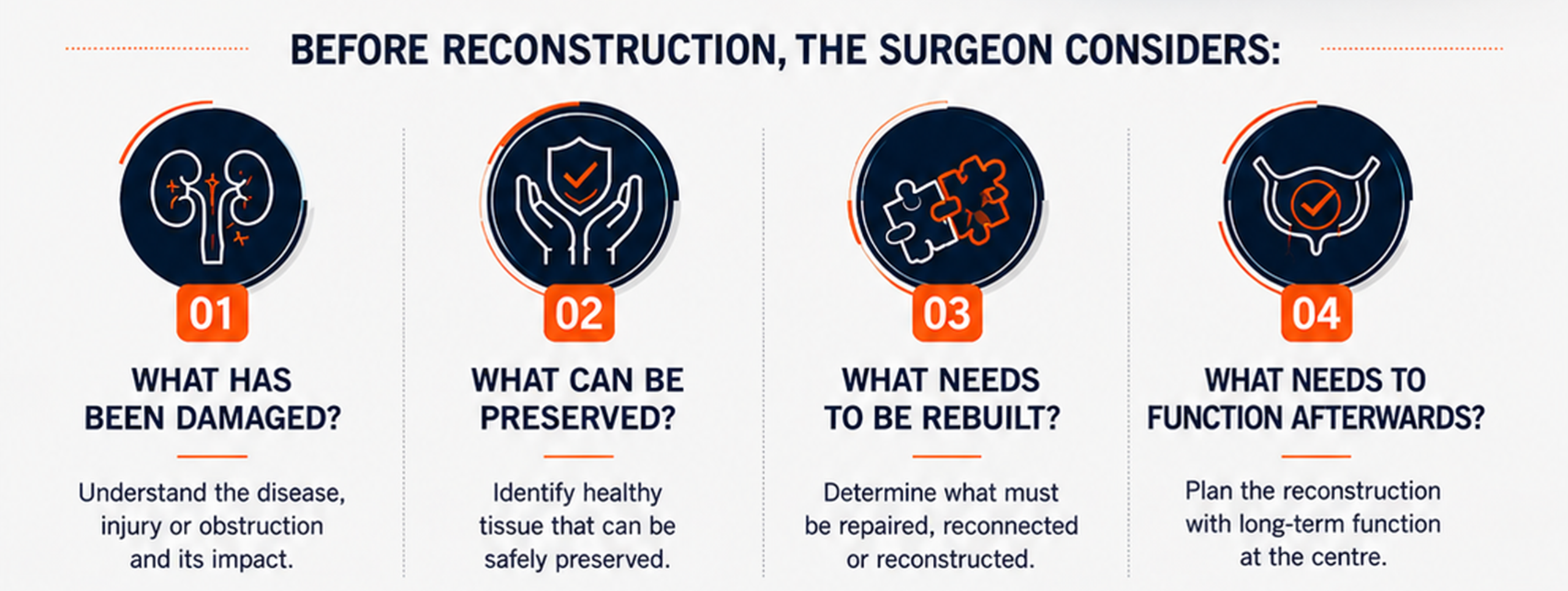
In many urological operations, the objective seems straightforward: remove a tumour, correct an obstruction, repair an injury or treat a prolapse. But complex surgery does not always end once the original problem has been addressed.
Removing diseased tissue can leave part of the urinary tract that needs to be reconnected. Correcting an obstruction may require a drainage pathway to be rebuilt. Previous surgery can leave scar tissue and altered anatomy that must be carefully reconstructed. Pelvic surgery may require support to be restored while protecting surrounding urinary structures. This is where reconstructive urology becomes part of the operation.
The focus shifts from simply treating what is wrong to an equally important question:
How do we restore the anatomy so that it can function properly afterwards?
Reconstructive urology involves repairing or rebuilding parts of the urinary or pelvic system when their normal structure or function has been disrupted. It may be required following disease, obstruction, injury, cancer treatment, previous surgery or complex pelvic conditions.
The reconstruction itself will differ considerably depending on the problem. A ureter may need to be repaired or reconnected. An obstructed junction between the kidney and ureter may need to be reconstructed. Pelvic support may need to be restored. An abnormal connection between the bladder and another structure may need to be closed.
In each situation, however, the purpose is similar: to create a safe, functional urinary or pelvic system after the underlying problem has been treated.
Reconstruction becomes necessary when simply removing or correcting the original problem would not leave the urinary system functioning as it should. This is easier to understand when we look at actual procedures.
The kidney continuously produces urine, which needs to drain into the ureter and travel towards the bladder. When the junction between the kidney and ureter — the ureteropelvic junction or UPJ — becomes narrowed or obstructed, urine cannot drain effectively.
During a laparoscopic pyeloplasty, the operation does not simply remove the narrowed section. The drainage pathway must then be reconstructed by reconnecting healthy tissue so that urine can once again move effectively from the kidney into the ureter.
The reconstruction is therefore an essential part of treating the obstruction and protecting the kidney.
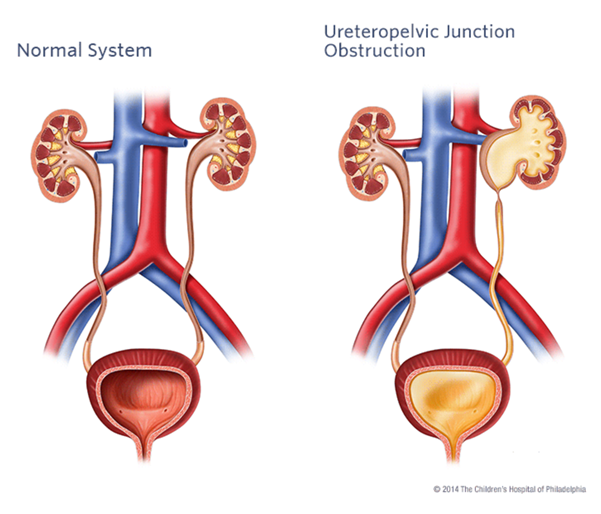
(Image Source: Children’s Hospital of Philadelphia,
Link: https://www.chop.edu/conditions-diseases/ureteropelvic-junction-upj-obstruction )
The ureters are relatively narrow structures carrying urine from each kidney to the bladder. If a ureter becomes damaged, severely scarred or obstructed, urine may no longer travel freely towards the bladder. Left untreated, this can place the kidney at risk.
Depending on where the damage has occurred and how much of the ureter is affected, surgery may involve removing the unhealthy section and reconstructing the urinary pathway. This is where reconstructive surgery becomes highly individualised.
The surgeon must determine what healthy tissue remains, how the urinary tract can safely be reconnected and how normal drainage can best be restored.
Reconstruction is not limited to the kidneys and ureters. In women with significant pelvic organ prolapse or vaginal vault prolapse after hysterectomy, the normal support structures of the pelvis may have weakened or failed.
A procedure such as laparoscopic sacrocolpopexy aims to restore that support. This is not simply a matter of moving prolapsed tissue back into position. The reconstructed support needs to work within a complex area containing the bladder, ureters, vagina and bowel. The relationship between these structures needs to be considered throughout the operation.
Here, reconstruction is about restoring support and function, rather than removing disease.
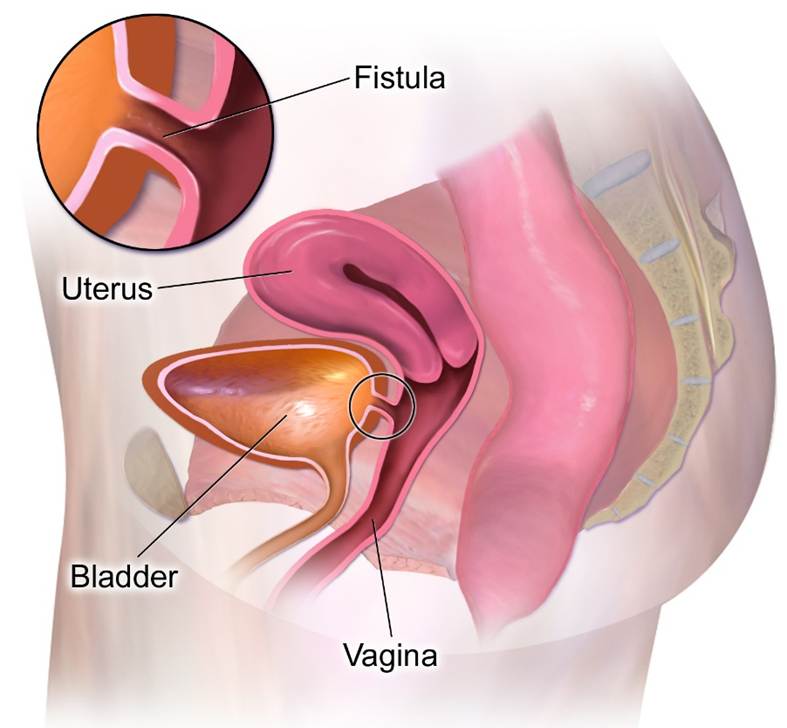
A vesico-vaginal fistula is an abnormal connection between the bladder and vagina that allows urine to pass through the vagina. Surgery requires more than simply identifying the opening.
The abnormal connection must be carefully separated and the affected tissues repaired so that the bladder and vagina once again exist as separate structures. In selected complex repairs, additional healthy tissue may also be used to support the reconstruction.
The aim is to restore the normal barrier between the two structures and resolve the abnormal urinary leakage.
This is where reconstructive surgery can become particularly challenging. The surgeon is not always working with normal, untouched anatomy. A patient may previously have undergone a hysterectomy, cancer operation, prolapse repair, abdominal procedure or another urological operation.
Previous surgery can leave behind scar tissue, adhesions and altered anatomical relationships. Normal tissue planes may no longer be clearly defined. Structures can become attached to surrounding tissue. Healthy tissue available for reconstruction may be limited. Previous mesh or other surgical material may also be present.
In these cases, there may not be a standard operation that can simply be repeated. The surgeon needs to understand what has changed and determine the safest way to reconstruct the area based on the anatomy that is actually present.
That is why a patient’s full surgical history becomes especially important when planning complex reconstructive surgery.
The success of reconstructive surgery cannot be judged by anatomy alone. The real question is whether the reconstruction achieves its intended function.
These functional goals influence how the operation is planned from the beginning.
This is also why follow-up after reconstructive surgery is important. Depending on the procedure, imaging, clinical assessment or other investigations may be needed to confirm that healing has occurred and that the reconstruction is functioning as intended.
Many reconstructive urological procedures can now be performed laparoscopically or with robotic assistance when appropriate. These approaches allow the surgeon to work through small incisions while viewing the operative field with magnified imaging.
This can be particularly valuable during reconstruction, where careful dissection and precise suturing may be required around delicate urinary and pelvic structures. Robotic systems can provide additional instrument articulation for selected procedures, while laparoscopy also allows complex reconstruction to be performed minimally invasively.
However, the technology does not plan or perform the reconstruction on its own. The outcome still depends on understanding the anatomy, recognising how disease or previous surgery has changed it, choosing the appropriate reconstruction and executing that plan precisely.
It is easy to think of reconstructive surgery as something that happens after the main procedure. In reality, reconstruction is often the very thing that makes treatment possible.
Removing an obstruction is only useful if urine can drain afterwards. Repairing ureteric damage is only successful if the kidney has a functioning pathway to the bladder. Correcting significant prolapse requires support that will continue to function after surgery.
Closing a fistula requires the affected organs to heal as separate, functional structures again. This is what makes reconstructive urology different.
The surgeon is not only treating the problem that brought the patient to theatre. The operation must also account for what needs to work once the procedure is over.
Reconstructive urology sits at the intersection of treatment, preservation and restoration. Every reconstruction is different because every patient’s anatomy, previous surgical history and underlying condition are different.
For some patients, reconstruction means restoring drainage from a kidney. For another, it may mean rebuilding a damaged ureter, restoring pelvic support or repairing an abnormal connection between organs.
But the principle remains the same: Treat the underlying problem while creating the best possible foundation for function afterwards. Because in complex urological surgery, success is not determined only by what happens during the operation. It is also determined by how well the reconstructed system works after it.