
What Happens Long Before the Operating Theatre Most people imagine surgery as something that begins the moment a patient enters the operating theatre. The bright lights, the surgical instruments, and the focused precision of the surgical team often represent the entire picture of what surgery entails. In reality, the most important part of surgery begins […]

What Happens Long Before the Operating Theatre
Most people imagine surgery as something that begins the moment a patient enters the operating theatre. The bright lights, the surgical instruments, and the focused precision of the surgical team often represent the entire picture of what surgery entails.
In reality, the most important part of surgery begins long before the operating theatre doors open.
A successful surgical outcome is rarely defined by what happens in a single moment during a procedure. Instead, it is shaped by the careful thinking, analysis, and strategic planning that takes place beforehand.
For experienced surgeons, surgery is often described in simple terms: 90% planning and 10% execution. The decisions made before a procedure begins can determine not only how the surgery unfolds, but also how safely and effectively the patient recovers afterward.
This preparation process forms what could be described as the anatomy of a surgical decision.
Understanding the Problem: The First Step in Surgical Planning
Before surgery is even considered, the surgeon must develop a thorough understanding of the patient’s condition.
This begins with a careful evaluation of the patient’s symptoms, medical history, and any previous procedures that may influence the current situation. In fields such as urology and pelvic reconstruction, where many patients have undergone prior surgeries or treatments, these details are particularly important.
Every patient presents with a unique medical background and anatomical context. Two individuals may share the same diagnosis, yet the surgical approach required for each may differ significantly.
At this stage, the surgeon’s role is to fully understand the problem before determining what surgery is the appropriate solution.
Imaging Analysis: Seeing the Surgical Landscape
Modern surgical planning relies heavily on imaging. Technologies such as CT scans, MRI scans, ultrasound imaging, and endoscopic evaluation allow surgeons to visualise structures that cannot be seen externally.
However, analysing imaging is not simply a matter of looking at pictures. For a surgeon, imaging represents a detailed map of the body’s internal landscape.
Through careful analysis, the surgeon evaluates how organs, tissues, blood vessels, and surrounding structures interact with one another. The goal is to understand not only where the problem is located, but also how it relates to nearby anatomical structures that must be protected during surgery.
This stage of analysis allows the surgeon to begin visualising the procedure long before the first incision is made.
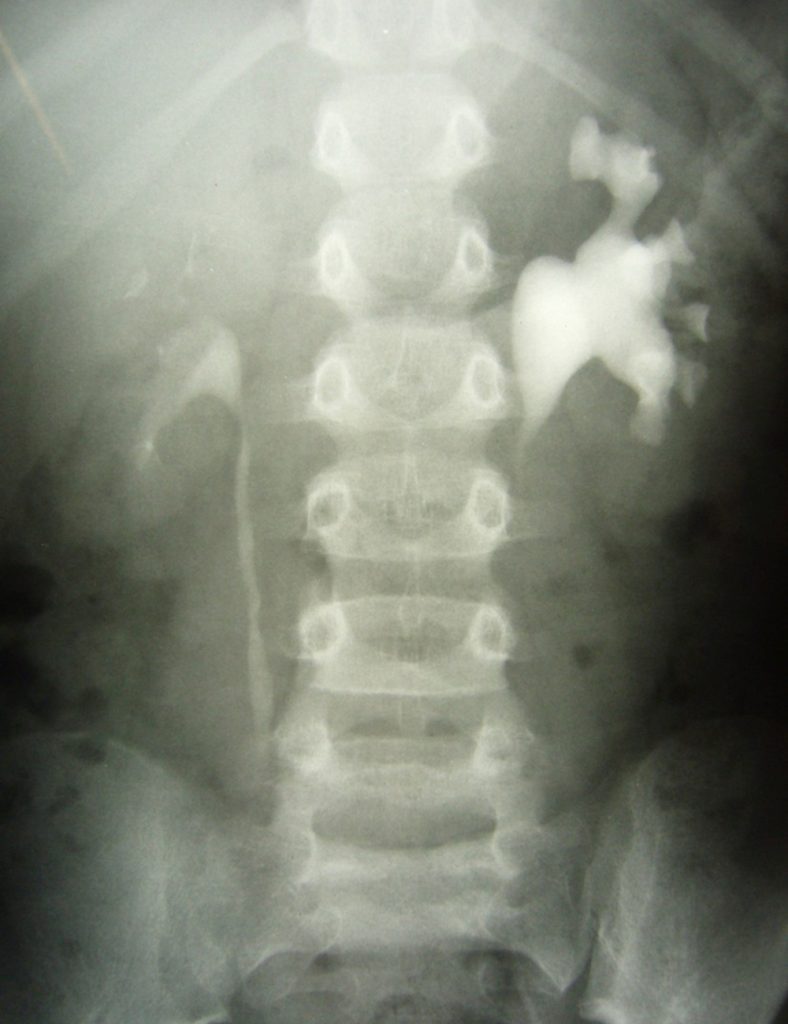
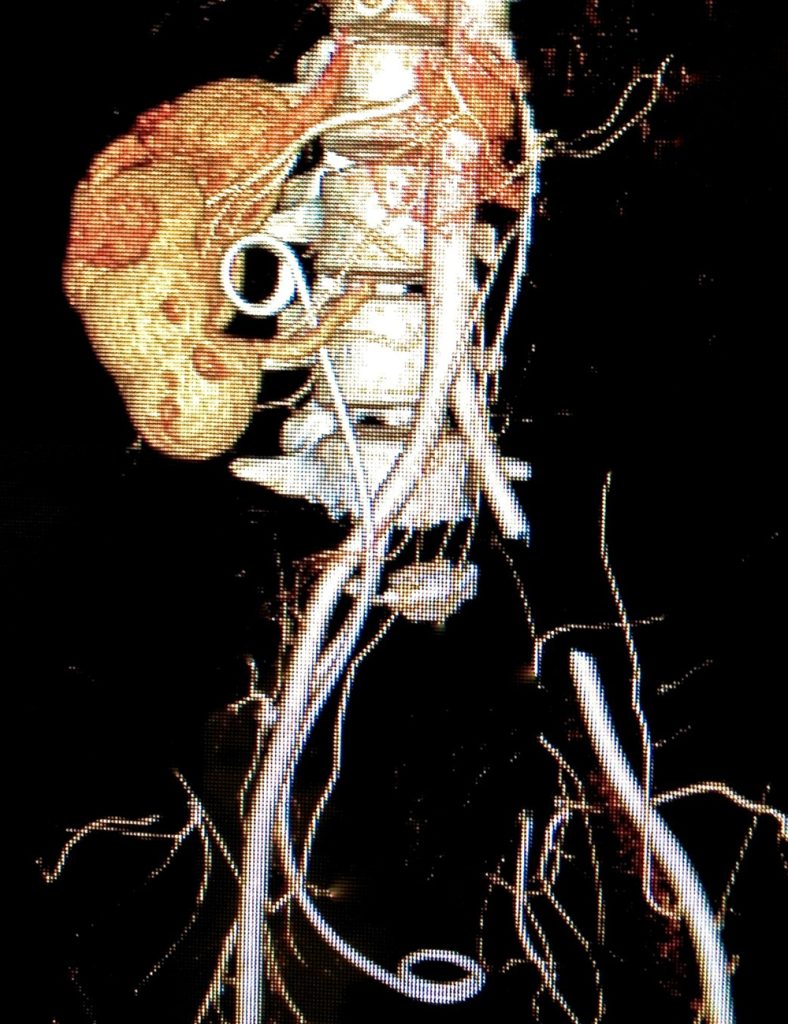
Crossing Vessel at PUJ Imaging

Anatomical Mapping: Planning the Surgical Route
Once the condition has been clearly identified, the next step involves planning the pathway to reach it safely.
Surgeons mentally map the anatomy, identifying important structures that must be preserved while determining the safest and most effective route to the surgical target. This process requires an in-depth understanding of anatomy as well as spatial awareness.
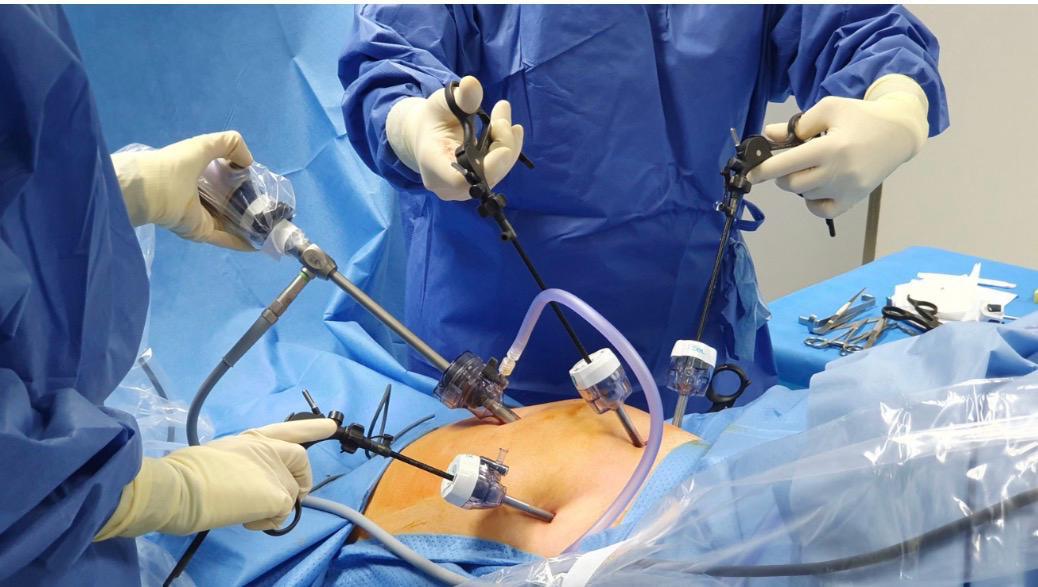
For procedures performed using minimally invasive techniques, such as laparoscopic or robotic-assisted surgery, this level of planning becomes even more critical. These procedures rely on small access points and specialised instruments, which means the surgeon must already have a precise plan in mind before entering the operating theatre.
In many cases, surgeons visualise each step of the operation in advance, mentally walking through the procedure from beginning to end.
Evaluating Risk: Balancing Safety and Benefit
A critical element of surgical decision-making involves assessing potential risks and benefits.
Surgery is never considered lightly. Every procedure carries a degree of risk, and part of the surgeon’s responsibility is to ensure that the expected benefits of the operation clearly outweigh those risks.
This evaluation includes considering the patient’s overall health, the complexity of the procedure, and the likelihood of achieving a successful outcome. Recovery time, possible complications, and long-term results are all part of this decision-making process.
Thoughtful risk evaluation ensures that surgery is performed not simply because it is possible, but because it is the most appropriate and beneficial course of action for the patient.
Scenario Planning: Preparing for the Unexpected
Experienced surgeons rarely approach an operation with only one possible plan.
While imaging and planning provide valuable insight, the human body can sometimes present unexpected findings during surgery. Scar tissue from previous procedures, variations in anatomy, or subtle differences in tissue structure can all influence how an operation unfolds.
For this reason, surgeons often enter the operating theatre with multiple strategies prepared.
There is usually an ideal surgical plan, but there are also alternative approaches that can be implemented if circumstances change. This ability to adapt while maintaining safety is a key component of surgical expertise.
Careful scenario planning allows the surgical team to respond confidently to any challenges that may arise.
When Planning Meets Precision
By the time surgery begins, much of the most important thinking has already taken place.
The operating theatre becomes the environment where a carefully developed strategy is carried out with precision. Each step of the procedure follows the roadmap that was created during the planning process.
For surgeons who specialise in minimally invasive techniques, such as laparoscopic and robotic-assisted surgery, this preparation is especially important. These advanced procedures require a high degree of precision and coordination, and the success of the operation often depends on the quality of the preparation that preceded it.
When planning and surgical skill come together, the procedure itself becomes the final execution of a well-structured plan.
The Role of Experience in Surgical Decision-Making
Surgical planning is not based solely on imaging and clinical information. It is also shaped by experience.
Years of training and performing complex procedures allow surgeons to recognise patterns, anticipate challenges, and make confident decisions when evaluating surgical options. Experience provides the ability to assess subtle details that may not always be immediately obvious.
This depth of knowledge influences how procedures are planned, how risks are evaluated, and how unexpected findings are managed during surgery.
For complex reconstructive procedures, specialist experience can play a significant role in achieving optimal outcomes.
Dr MC Conradie’s Approach to Surgical Planning
At Dr MC Conradie Inc., surgical planning forms a central part of the treatment process.
Dr Conradie specialises in minimally invasive laparoscopic and robotic urological surgery, including advanced reconstructive procedures involving the urogenital system. Many of the cases managed within her practice require careful evaluation of imaging, detailed anatomical assessment, and strategic surgical planning.
Each procedure is approached with a focus on precision, safety, and long-term outcomes for the patient.
By thoroughly analysing the anatomy, evaluating potential risks, and preparing for multiple surgical scenarios, the goal is to ensure that when surgery takes place, it is executed with clarity, confidence, and precision.
Surgery Begins Long Before the First Incision
To most people, surgery is defined by what happens in the operating theatre. Yet the true foundation of a successful operation lies in the preparation that happens beforehand.
Every scan reviewed, every anatomical structure mapped, and every potential scenario considered contributes to the final outcome.
In modern surgical practice, the operating theatre is not the beginning of the process. It is the final stage of a carefully constructed plan.
Because when it comes to surgery, precision begins long before the first incision is made.