
What Is a Vesico-Vaginal Fistula? A vesico-vaginal fistula (VVF) is an abnormal connection that develops between the bladder and the vagina. This connection allows urine to bypass its normal pathway and leak continuously from the bladder into the vagina. For affected women, the condition can have a significant impact on daily life, causing discomfort, emotional […]
What Is a Vesico-Vaginal Fistula?
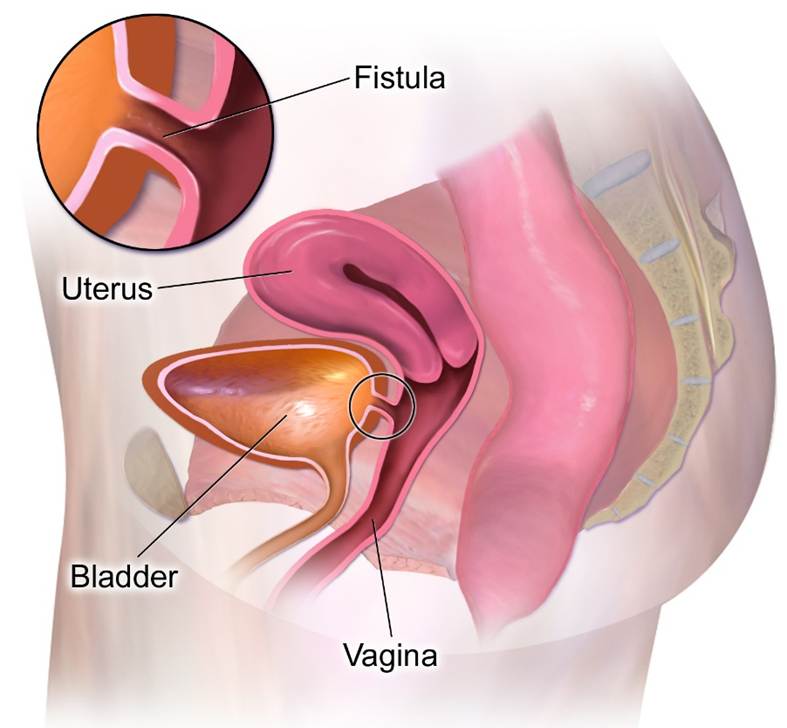
A vesico-vaginal fistula (VVF) is an abnormal connection that develops between the bladder and the vagina. This connection allows urine to bypass its normal pathway and leak continuously from the bladder into the vagina. For affected women, the condition can have a significant impact on daily life, causing discomfort, emotional distress, and a loss of confidence.
Although vesico-vaginal fistulas are uncommon, they are often complex conditions that require specialist assessment and surgical management.
(Image Source: Vesicovaginal fistula, https://en.wikipedia.org/wiki/Vesicovaginal_fistula )
What Causes a Vesico-Vaginal Fistula?
A vesico-vaginal fistula most commonly develops following injury to the tissues separating the bladder and vagina. Potential causes include:
The location, size, cause, and condition of the surrounding tissue can vary significantly from one patient to another. These factors play an important role in determining both the complexity of the repair and the reconstructive techniques that may be required. This is why successful treatment is not simply about closing the fistula itself, but about carefully evaluating the tissue surrounding the defect and creating the best possible conditions for healing.
Repairing the Defect Is Only Part of the Solution
A vesico-vaginal fistula is one of the most distressing conditions a woman can experience. The continuous leakage of urine through the vagina can have a profound impact on quality of life, affecting daily activities, social interactions, emotional wellbeing, and personal confidence.
While the diagnosis itself can be devastating, modern reconstructive surgery offers effective treatment options for many patients. However, successful vesico-vaginal fistula surgery involves far more than simply closing an opening between the bladder and vagina.
In complex cases, the long-term success of the repair often depends on the quality of the surrounding tissue, the blood supply to the area, and careful reconstructive planning before surgery even begins. This is where advanced reconstructive techniques such as the Martius Flap become important.
Understanding the Challenge of Vesico-Vaginal Fistula Repair
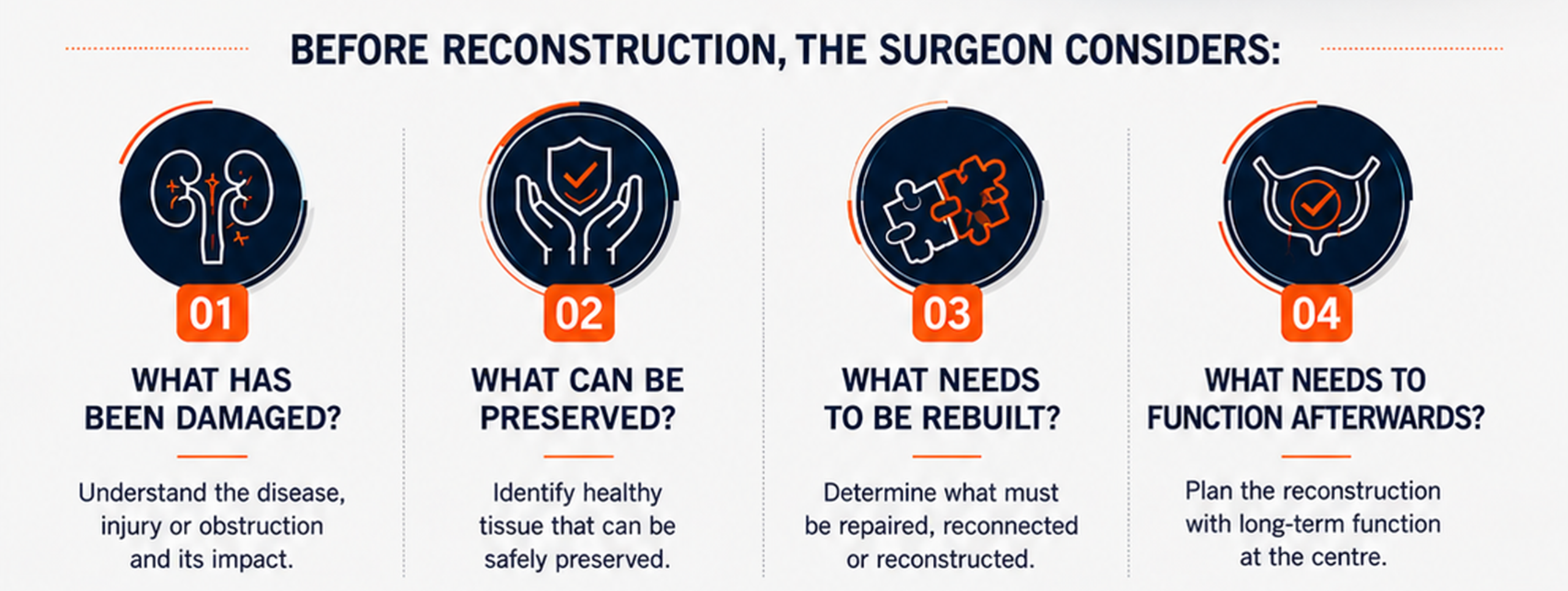
As discussed in our previous article on vesico-vaginal fistulas, these abnormal connections can develop for a variety of reasons and may vary significantly in size, location, and complexity. No two fistulas are exactly the same. Some are relatively straightforward to repair, while others present significant reconstructive challenges due to:
In these situations, achieving a durable repair requires surgeons to think beyond simply closing the fistula itself. The surrounding tissue must also be capable of healing successfully.
Why Tissue Quality Matters
One of the most important factors influencing the success of vesico-vaginal fistula surgery is tissue quality. When tissue has been affected by scarring, inflammation, previous surgery, or reduced blood supply, healing becomes more challenging.
Even a technically perfect repair may be placed under strain if the surrounding tissue environment is compromised. For reconstructive surgeons, the objective is therefore not only to close the fistula but also to create the best possible conditions for long-term healing.
This principle lies at the heart of modern reconstructive pelvic surgery.
The Role of the Martius Flap in Reconstruction
The Martius Flap is a well-established reconstructive technique that may be used during selected vesico-vaginal fistula repairs. The procedure involves transferring healthy, well-vascularised tissue from the labial region into the area between the bladder and vaginal repair.
This additional tissue acts as a protective layer between the two structures and provides several important benefits. The Martius Flap may help:
Rather than simply repairing the defect, the procedure strengthens the environment in which healing takes place.
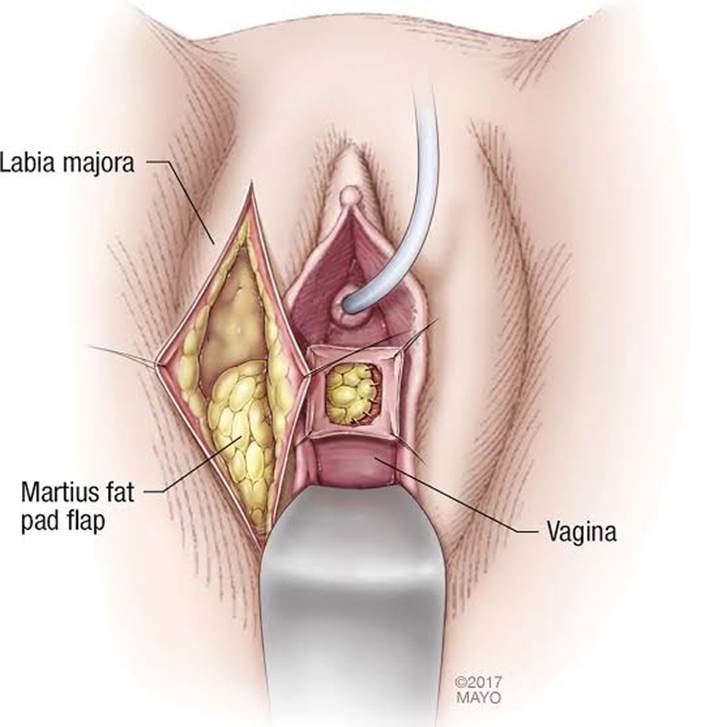
(Image Source: RSNA, https://pubs.rsna.org/doi/10.1148/rg.2018170167 )
Why Blood Supply Can Determine Surgical Success
Patients often focus on the surgical repair itself, but one of the most important factors influencing recovery is something that cannot be seen from the outside: blood supply. Healthy blood flow delivers oxygen and nutrients that are essential for tissue healing.
In areas affected by previous surgery, inflammation, or tissue damage, blood supply may be reduced. This can increase the risk of delayed healing or recurrence.
The Martius Flap introduces healthy tissue with its own blood supply into the area of repair, helping to create a stronger biological foundation for recovery. This is one of the reasons why the procedure remains an important component of complex fistula reconstruction.
When Is a Martius Flap Considered?
Not every vesico-vaginal fistula repair requires a Martius Flap. The decision depends on several factors, including:
Each case is carefully assessed individually to determine the most appropriate surgical approach. The ultimate goal is always the same: achieving a durable repair while preserving urinary function and supporting long-term quality of life.
One of the defining principles of reconstructive urology is that success is not measured solely by whether a defect has been closed. Success is measured by:
Procedures such as the Martius Flap reflect this broader reconstructive philosophy by focusing not only on the repair itself, but also on creating the best possible conditions for long-term success.
Advanced Reconstruction for Complex Pelvic Conditions
As a specialist in minimally invasive and reconstructive urological surgery, Dr MC Conradie manages complex pelvic conditions that require careful surgical planning and advanced reconstructive techniques.
The treatment of vesico-vaginal fistulas often demands a detailed understanding of pelvic anatomy, tissue healing, and functional restoration.
For selected patients, the Martius Flap provides an additional reconstructive tool that can strengthen repairs and support successful long-term outcomes. Because in reconstructive surgery, closing the fistula is only one part of the journey. The true objective is restoring function, promoting healing, and helping patients regain their quality of life.