
The Often-Overlooked Urological Side of Endometriosis For many people, Endometriosis is primarily associated with painful menstruation, fertility challenges, and chronic pelvic pain. While these are some of the most recognised aspects of the disease, endometriosis is often far more complex than many realise. In some patients, the disease extends beyond the reproductive organs and begins […]
The Often-Overlooked Urological Side of Endometriosis
For many people, Endometriosis is primarily associated with painful menstruation, fertility challenges, and chronic pelvic pain. While these are some of the most recognised aspects of the disease, endometriosis is often far more complex than many realise.
In some patients, the disease extends beyond the reproductive organs and begins to involve surrounding pelvic structures — including the urinary tract.
When this happens, endometriosis may affect the bladder, ureters, and nearby pelvic anatomy, creating symptoms that are frequently misunderstood, overlooked, or incorrectly attributed to other conditions.
This is where the role of urology becomes increasingly important.
Endometriosis Beyond Gynaecology
Endometriosis occurs when tissue similar to the lining of the uterus grows outside of the uterus itself. These growths can lead to inflammation, scarring, adhesions, and distortion of normal pelvic anatomy over time.
Although the condition is considered a gynaecological disease, endometriosis does not always remain confined to reproductive structures.
In more advanced or complex cases, the disease may involve:
When the urinary tract becomes involved, patients may begin to experience symptoms that overlap with urological conditions.
Understanding Urinary Tract Endometriosis
Urinary tract involvement in endometriosis is uncommon compared to other forms of the disease, but it is clinically significant.
The two most common areas affected are:
The Bladder
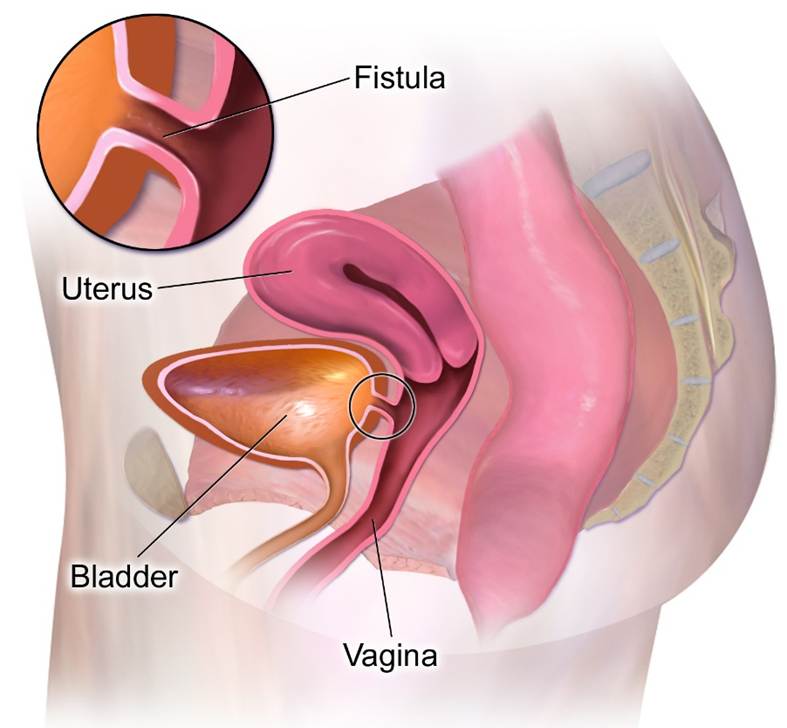
Endometriosis can grow on or infiltrate the bladder wall, leading to irritation and inflammation.
The Ureters
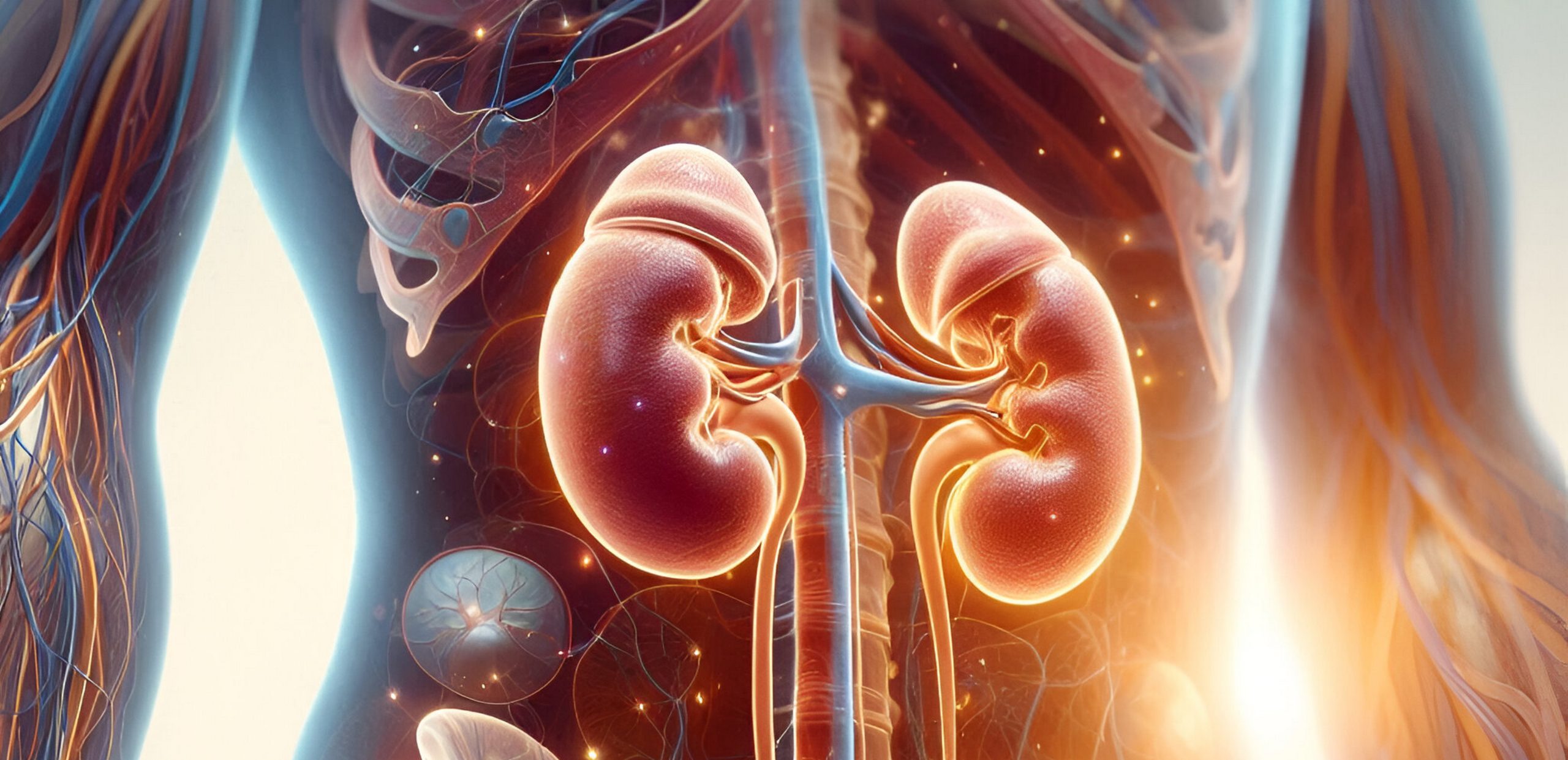
The ureters are the tubes that transport urine from the kidneys to the bladder. Endometriosis affecting the ureters can cause narrowing or obstruction, interfering with normal urinary drainage from the kidneys.
This form of disease may develop gradually and, in some cases, silently.
Symptoms That May Suggest Urological Involvement
One of the challenges with urinary tract endometriosis is that symptoms are often mistaken for recurrent urinary tract infections or other pelvic conditions.
Patients may experience:
For some women, these symptoms persist for years before the underlying cause is identified.
Because endometriosis can affect multiple structures within the pelvis simultaneously, symptoms may not always point clearly toward a single organ system.
Why Ureteric Endometriosis Can Be Serious
Among the most clinically important forms of urinary tract endometriosis is involvement of the ureters. When endometriosis compresses or infiltrates the ureter, urine may no longer drain effectively from the kidney. Over time, this obstruction can place increasing pressure on the kidney itself.
What makes this particularly concerning is that some patients develop significant obstruction with very few symptoms. In severe or delayed cases, kidney function may gradually deteriorate without the patient realising it.
This is why specialist assessment and imaging are so important in patients with suspected complex endometriosis.
When Surgery Becomes Necessary
Not all endometriosis requires surgery. However, when the urinary tract becomes involved — particularly when there is obstruction, severe symptoms, or organ involvement — surgical management is necessary.
The goal of surgery is not only to remove disease, but also to restore and preserve normal anatomy and organ function.
Depending on the extent of the disease, surgery may involve:
In modern practice, many of these procedures can be performed using advanced minimally invasive laparoscopic techniques. This approach allows surgeons to operate with high levels of precision within the pelvis while reducing surgical trauma and supporting recovery.
Why Multidisciplinary Care Matters in Endometriosis
Complex endometriosis rarely affects only one structure or one medical discipline.
Depending on the extent of disease, treatment may involve collaboration between:
This multidisciplinary approach ensures that all aspects of the disease are evaluated together rather than in isolation.
For patients with urinary tract involvement, collaboration between specialties is often essential to achieve safe surgical management while protecting long-term urinary and kidney function.
Dr MC Conradie’s Role in Complex Pelvic and Urological Surgery
As a specialist in minimally invasive and reconstructive urological surgery, Dr MC Conradie is involved in the management of complex pelvic conditions where diseases such as Endometriosis extend into the urinary tract and surrounding pelvic anatomy.
These cases often require far more than symptom management alone. They demand advanced understanding of pelvic anatomy, detailed surgical planning, precision within delicate anatomical spaces, and careful preservation of urinary tract function.
Through advanced laparoscopic techniques, the aim is not only to treat disease effectively, but also to minimise surgical trauma while supporting recovery and protecting long-term organ function.
Endometriosis is not always confined to reproductive health. In some women, the disease may involve the bladder, ureters, and surrounding pelvic structures — where delayed diagnosis can begin to affect both quality of life and kidney health. Recognising the urological side of endometriosis allows for earlier investigation, more comprehensive evaluation, and the involvement of appropriate multidisciplinary care when needed.