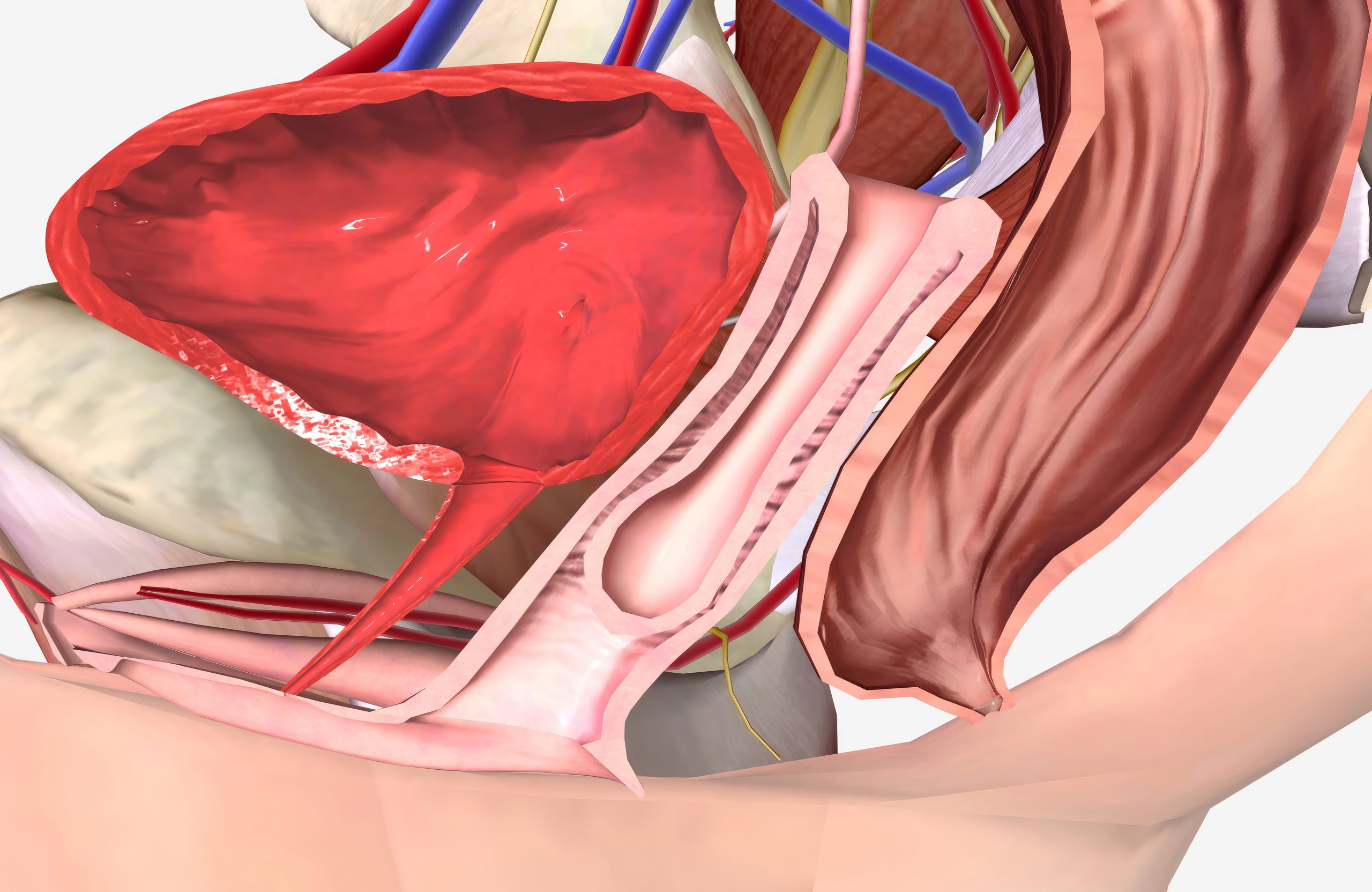

A vaginal fistula — is one of the most distressing pelvic floor conditions a woman can experience. It occurs when an abnormal connection (or tract) develops between the vagina and another organ such as the bladder, urethra, ureter, or rectum. This leads to continuous leakage of urine or stool, severe irritation, infection, and a profound […]

A vaginal fistula — is one of the most distressing pelvic floor conditions a woman can experience. It occurs when an abnormal connection (or tract) develops between the vagina and another organ such as the bladder, urethra, ureter, or rectum. This leads to continuous leakage of urine or stool, severe irritation, infection, and a profound impact on confidence, relationships, and daily life.
While devastating, the good news is that vaginal fistulas are treatable. With modern advances in laparoscopic and reconstructive urology, even the most complex cases can be repaired successfully — restoring both form and function.
At Dr MC Conradie Inc., we specialise in minimally invasive urological and reconstructive techniques designed to treat these challenging conditions with precision, safety, and compassion.

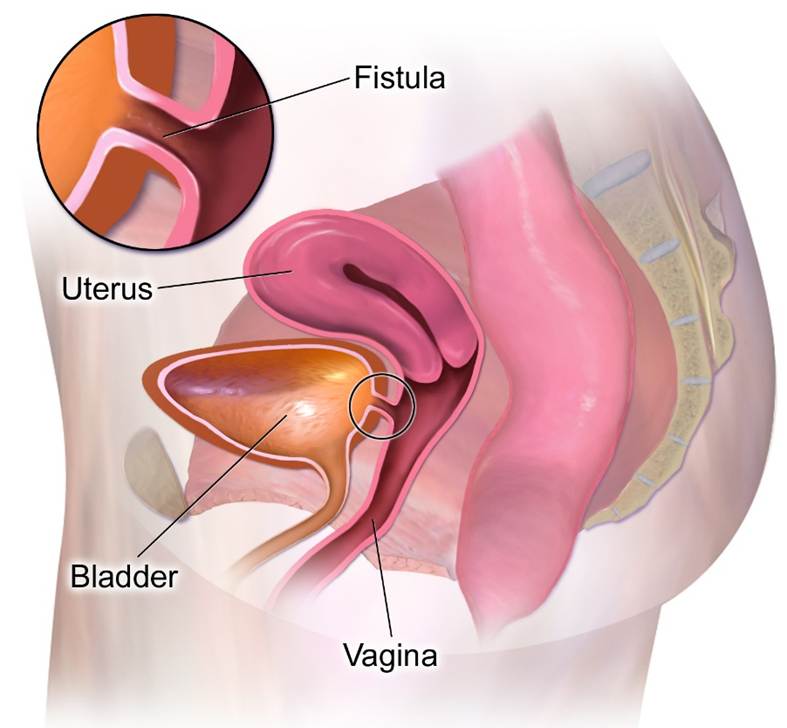
[Image Source: Drugs.com Know more. Be sure. https://www.drugs.com/cg/vesicovaginal-fistula-repair.html ]
Causes and Risk Factors
Vaginal fistulas can arise from a range of causes — some due to medical or surgical complications, others from trauma or disease.
Common causes include:
Because these injuries often affect both the urinary and reproductive systems, successful treatment demands combined urological and gynaecological expertise — a hallmark of Dr Conradie’s reconstructive approach.
Types of Vaginal Fistula
Each type of fistula presents differently, depending on the organs involved:
Identifying the precise type and location of the fistula is critical to selecting the correct surgical approach.
Symptoms and Diagnosis
The symptoms of a vaginal fistula can be both physically and emotionally overwhelming.
Common symptoms include:
Diagnosis is made through a combination of clinical and imaging techniques:
A precise diagnosis allows for accurate surgical planning — essential to achieving lasting repair.
The Role of Minimally Invasive Surgery in Fistula Repair
Traditional open repair of vaginal fistulas often involved significant surgical trauma and lengthy recovery. Today, minimally invasive techniques — laparoscopic and robotic-assisted — have transformed outcomes.
These methods provide:
In addition, tissue interposition flaps such as omentum or peritoneum are often used to reinforce the repair and reduce the risk of recurrence.
In complex cases, such as when the ureter is involved, ureteric reimplantation or bladder reconstruction may also be required — procedures in which Dr Conradie has significant expertise.
Timing and Surgical Decision-Making
Successful repair depends not only on technique but on timing. Immediate repair after injury is not always possible — the tissue must first heal and inflammation must subside. In most cases, surgery is performed three to six months after the initial injury, once healthy tissue is ready for reconstruction.
Each case is individualised, with decisions made based on:
This nuanced planning underscores why management by a specialist reconstructive urologist is essential.
Recovery and Postoperative Care
Following surgery, the bladder is typically drained via catheter to allow proper healing.
Other aspects of care include:
Most patients return to normal daily function and continence within weeks to months, depending on complexity.
Why Specialist Care Matters
Vaginal and urogenital fistula repair requires exceptional surgical precision and an intimate understanding of pelvic anatomy. Dr MC Conradie’s expertise in female pelvic floor medicine, reconstructive urology, and minimally invasive laparoscopic and robotic surgery makes her uniquely equipped to handle these complex cases.
Her surgical philosophy focuses on:
Each repair is more than just a technical operation — it’s a life-changing reconstruction that restores dignity, confidence, and hope.
Regaining Confidence and Quality of Life
A vaginal fistula does not define a woman’s future. With the right surgical expertise, patients can regain normal bladder control, comfort, and quality of life.
At Dr MC Conradie Inc., we are proud to offer international-standard reconstructive urology in South Africa — providing minimally invasive, organ-preserving solutions for women who deserve more than temporary relief.
If you or your patient is struggling with persistent leakage or complications following pelvic surgery, don’t wait.
Specialist evaluation and treatment can restore function — and dignity — for life.