
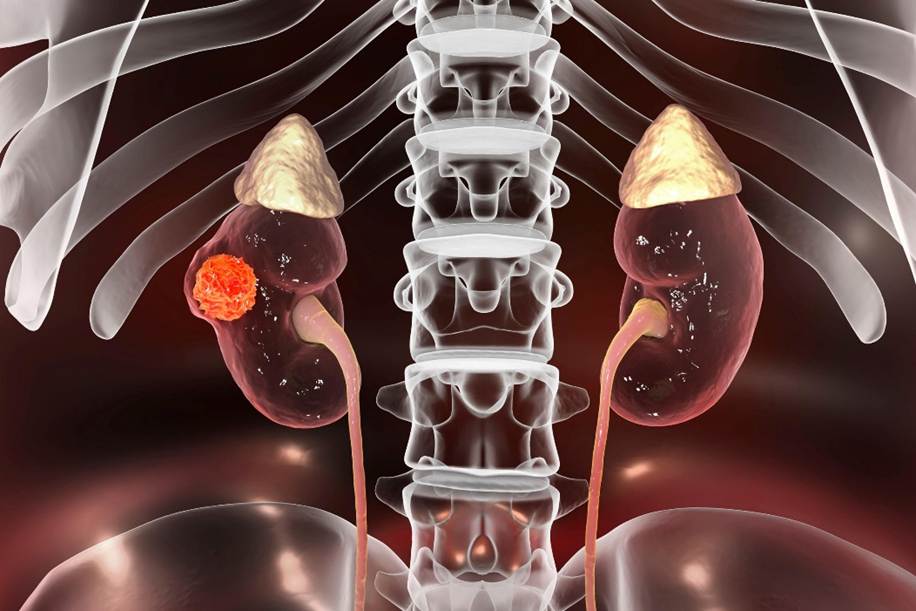

Each year, Salt Awareness Week highlights an important reality of modern nutrition: most people consume far more salt than their bodies require. Excess dietary salt is commonly associated with high blood pressure and cardiovascular disease. However, a lesser-known consequence is its direct role in the development of Kidney Stones. For the kidneys, managing excess salt […]
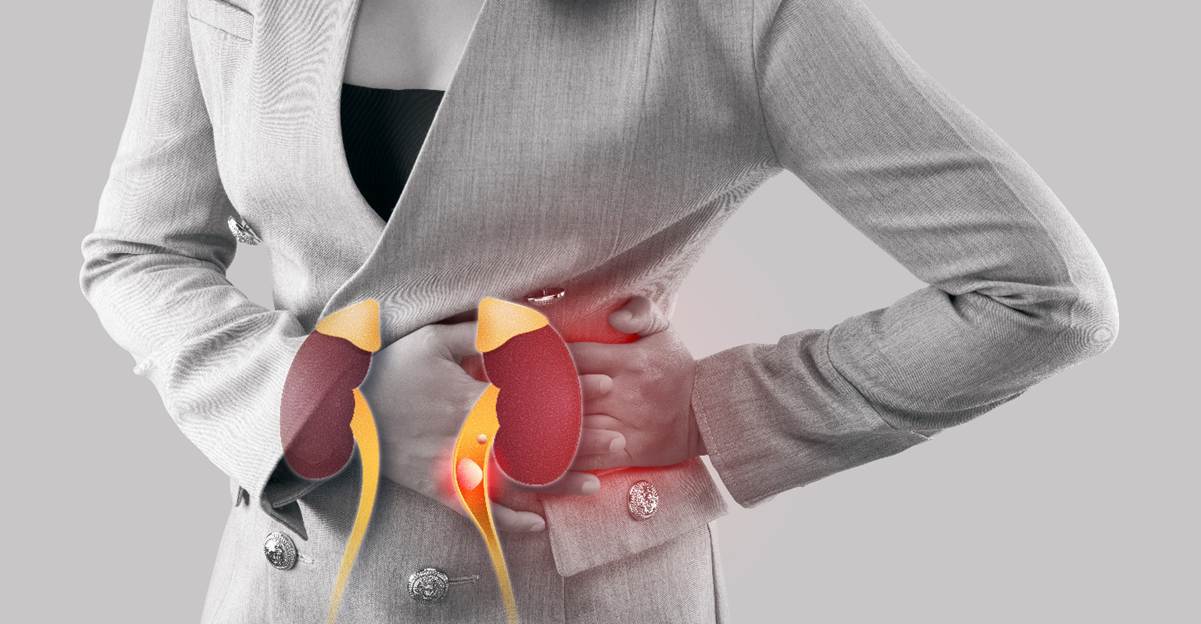
Each year, Salt Awareness Week highlights an important reality of modern nutrition: most people consume far more salt than their bodies require.
Excess dietary salt is commonly associated with high blood pressure and cardiovascular disease. However, a lesser-known consequence is its direct role in the development of Kidney Stones.
For the kidneys, managing excess salt is not optional — it is part of their essential daily function. When dietary salt intake rises, the kidneys must work harder to filter and eliminate this excess sodium through the urine. In doing so, important changes occur within the urinary system that can significantly increase the risk of stone formation.
Understanding this relationship between salt intake and kidney stones is an important step in protecting long-term kidney health.
The Kidney’s Role in Managing Salt
The kidneys are responsible for maintaining the body’s delicate balance of fluids, electrolytes, and minerals. Sodium — the main component of dietary salt — is tightly regulated by the kidneys to maintain this balance.
When excess sodium is consumed, the kidneys increase the amount of sodium excreted in the urine. However, this process does not occur in isolation. Higher levels of sodium in the urine can also cause increased calcium excretion.
This increase in urinary calcium is a key factor in the development of kidney stones.
Over time, elevated levels of calcium and other minerals within the urine can begin to crystallise. These crystals may grow larger and eventually form stones within the kidneys or urinary tract.
How Excess Salt Contributes to Kidney Stone Formation
The connection between salt intake and kidney stones is primarily driven by how sodium influences calcium levels in the urine.
High sodium intake leads to increased urinary calcium. As calcium concentration rises, the likelihood of crystals forming within the urine also increases. These crystals may combine with other compounds such as oxalate to form stones.
The most common type of kidney stone is the Calcium Oxalate Kidney Stones, which accounts for the majority of cases seen in clinical practice.
When salt intake is consistently high, the environment within the urinary tract becomes more favourable for stone formation. Over time, this can lead to the development of stones that cause symptoms, obstruction, or recurrent episodes of stone disease.
Kidney Stones: More Than Just Severe Pain
Kidney stones are often associated with intense flank pain, but the condition can involve far more than temporary discomfort.
Depending on their size and location, stones can obstruct the urinary tract, interfere with normal urine flow, and create conditions that increase the risk of infection. In some cases, untreated obstruction may place additional strain on the kidneys.
Patients may experience symptoms such as:
For some individuals, kidney stones become a recurring problem requiring repeated medical evaluation and treatment.
When Kidney Stones Require Surgical Treatment
While small stones may sometimes pass naturally, many stones require medical intervention. The need for treatment depends on several factors, including the size and position of the stone, the presence of obstruction, and the severity of symptoms.
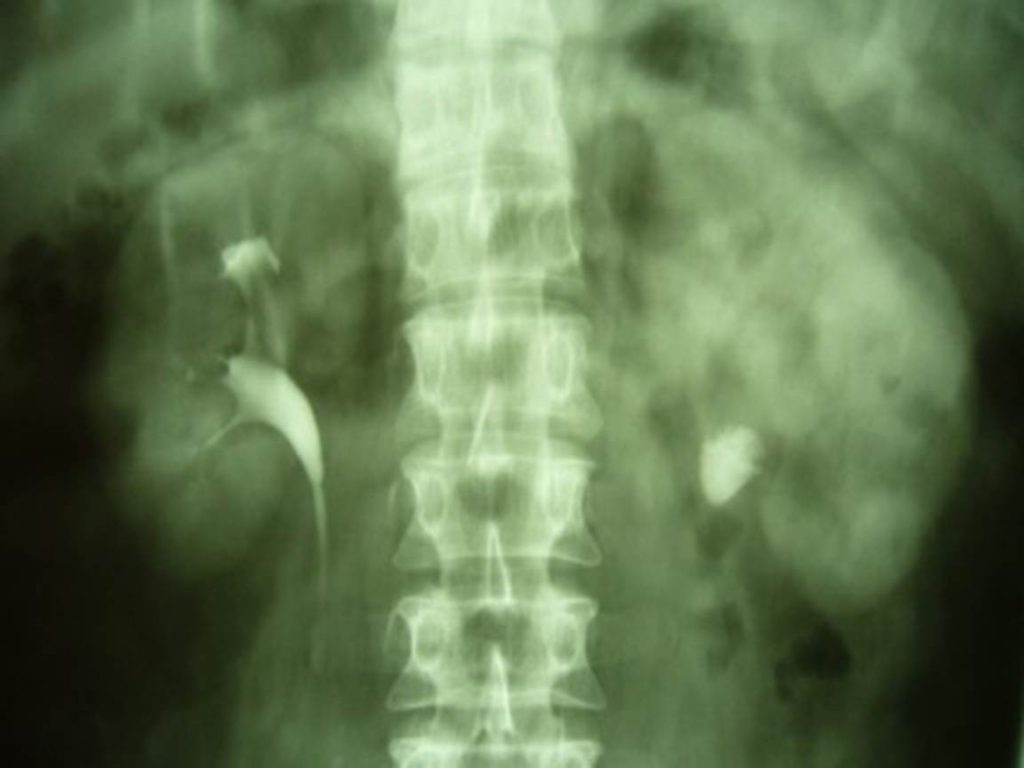
Modern urology offers highly effective minimally invasive surgical options for the treatment of kidney stones. These techniques may include endoscopic procedures that allow surgeons to access and treat stones through the natural urinary tract, as well as laser technology used to fragment stones into smaller pieces that can be removed or passed safely.
As a specialist in minimally invasive urological surgery, Dr MC Conradie treats patients with kidney stones using advanced surgical techniques designed to relieve obstruction, remove stones, and restore normal urinary function while minimising recovery time.
For patients with complex or recurrent stone disease, specialist evaluation plays an essential role in determining the most appropriate treatment approach.
Prevention: Why Salt Awareness Matters
Many people underestimate how much salt they consume each day. Processed foods, restaurant meals, and packaged products often contain significant amounts of hidden sodium.
Consistently high salt intake increases the workload placed on the kidneys and contributes to conditions that favour stone formation. Reducing excess salt consumption can help lower urinary calcium levels and may reduce the risk of developing certain types of kidney stones.
Awareness of dietary salt intake therefore plays an important role in protecting kidney health over the long term.
When Specialist Evaluation Is Important
For individuals who develop kidney stones — particularly those who experience recurrent stones — further medical assessment is often necessary. This evaluation may include imaging studies to identify the size and location of stones, as well as investigations that assess underlying metabolic or dietary factors contributing to stone formation.
Understanding why stones develop allows treatment to address not only the existing stone, but also the factors that increase the risk of recurrence.
Specialist care ensures that patients receive both effective treatment and long-term management strategies aimed at protecting kidney health.
Protecting Kidney Health Through Awareness and Expert Care
Excess dietary salt is an often overlooked contributor to kidney stone disease. While many people associate salt with cardiovascular health, its impact on kidney function and stone formation is equally important.
Greater awareness of dietary habits can help reduce the risk of developing stones, while early medical evaluation ensures that stones are managed appropriately when they occur. With modern minimally invasive surgical techniques and specialised urological care, patients with kidney stones can be treated effectively — allowing the kidneys and urinary system to return to healthy function.

