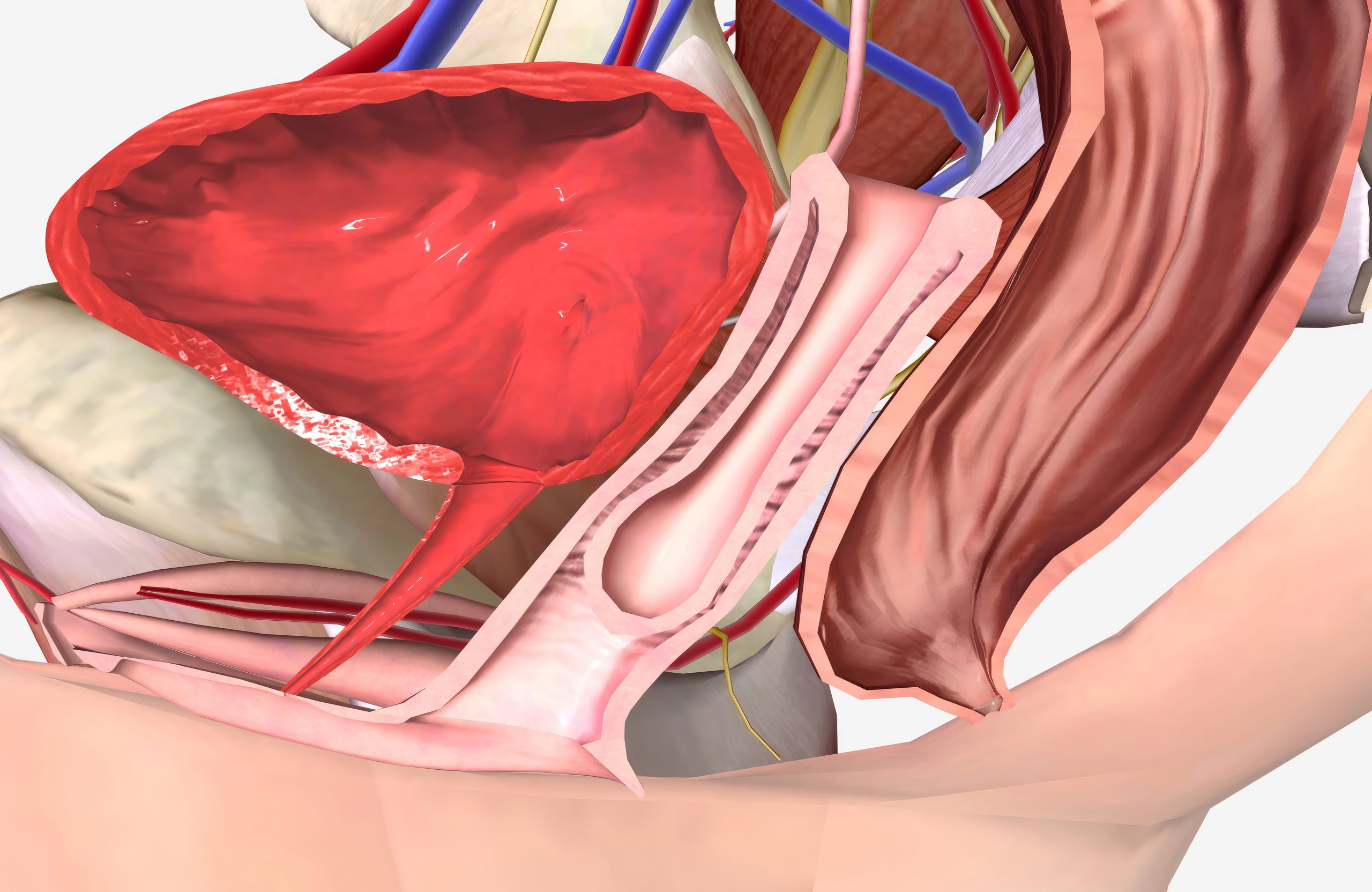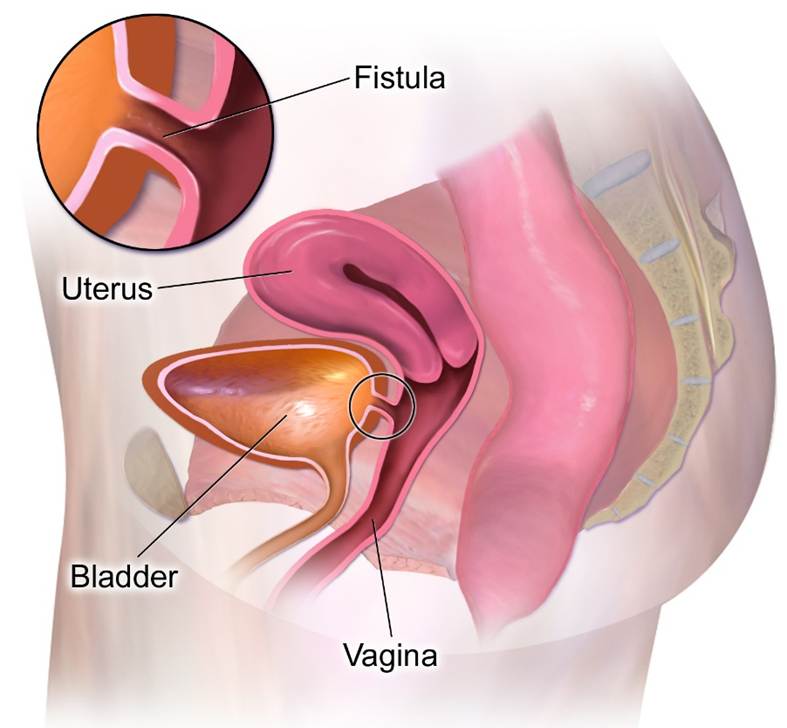

Endometriosis is a condition where tissue similar to the lining of the uterus grows outside of it. While it is most often thought of as a gynaecological condition, endometriosis can affect many organs in the body — including the urinary tract. When the bladder, ureters, or even kidneys are involved, the condition becomes not only […]

Endometriosis is a condition where tissue similar to the lining of the uterus grows outside of it. While it is most often thought of as a gynaecological condition, endometriosis can affect many organs in the body — including the urinary tract.
When the bladder, ureters, or even kidneys are involved, the condition becomes not only painful but potentially dangerous. Early recognition and treatment are vital to prevent long-term damage, yet these complications are often overlooked.
At Dr MC Conradie Inc., we specialise in minimally invasive laparoscopic and robotic-assisted surgery and complex reconstructive urology. This unique combination of expertise ensures that women with urinary tract complications from endometriosis receive safe, precise, and effective treatment.
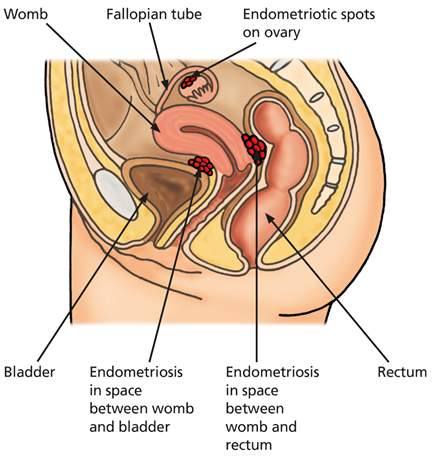
(Image Source: The Leeds Teaching Hospital, https://www.leedsth.nhs.uk/patients/resources/endometriosis-2/)
How Endometriosis Affects the Urinary Tract
While less common than pelvic or ovarian involvement, urinary tract endometriosis can have serious consequences.
Symptoms to Look Out For
Women with urinary tract endometriosis may experience:
If you have these symptoms — particularly if they worsen around your menstrual cycle — it’s important to consult a specialist.
Diagnosis: Why It’s Often Missed
Urinary endometriosis can be difficult to diagnose, as its symptoms often mimic other conditions such as urinary tract infections or overactive bladder.
Investigations may include:
Treatment Options
The right treatment depends on the severity and location of the disease.
With minimally invasive surgery, patients benefit from:
Distal Ureteral Strictures and the Boari Flap
One of the most challenging complications of urinary tract endometriosis — or surgery for endometriosis — is a distal ureteral stricture. This is a narrowing of the lower ureter near the bladder, which can obstruct urine flow and damage the kidney.
When the diseased portion of the ureter must be removed, a direct reconnection to the bladder is sometimes not possible due to the gap. In these cases, advanced reconstructive techniques are required.
The Boari Flap Technique
A Boari flap is a surgical procedure where a flap of bladder tissue is fashioned into a tube to replace or extend the ureter. This restores continuity between the kidney and bladder while preserving function.
Performed via laparoscopic or robotic-assisted approaches, the Boari flap allows:
This highly specialised operation requires expert endo-urology skills, and is not routinely performed outside of advanced urological centres.
(Image Source: Research Gate, https://www.researchgate.net/figure/Boari-flap-a-A-wide-based-flap-is-developed-by-an-anterior-bladder-wall-incision-b_fig3_260306551)
Why Specialist Urological Care Is Essential
Urinary complications of endometriosis are rare but potentially devastating. They demand not just surgical excision of endometriotic tissue, but also advanced reconstructive urology when the bladder or ureters are compromised.
Dr MC Conradie offers:
By combining advanced reconstructive and minimally invasive expertise, Dr Conradie provides comprehensive, patient-centred care that protects urinary function, relieves symptoms, and preserves long-term quality of life.
Endometriosis can cause more than pelvic pain — it may silently damage the urinary system, leading to bladder dysfunction or even kidney loss. When strictures or damage occur, advanced surgical reconstruction may be required.
With minimally invasive expertise and world-class reconstructive skills, Dr MC Conradie ensures women receive safe, effective treatment with optimal long-term outcomes. If you or your patient is experiencing urinary symptoms with suspected endometriosis, specialist evaluation could make all the difference. Contact Dr Conradie’s practice today for expert care.