
Why a multidisciplinary approach with a urogynaecology and urology specialist is essential The pelvic floor plays a crucial role in maintaining bladder, bowel, and reproductive health. It acts like a supportive hammock, holding up the bladder, uterus, vagina, and rectum through a network of muscles, ligaments, and connective tissues. When this support system weakens or […]

Why a multidisciplinary approach with a urogynaecology and urology specialist is essential
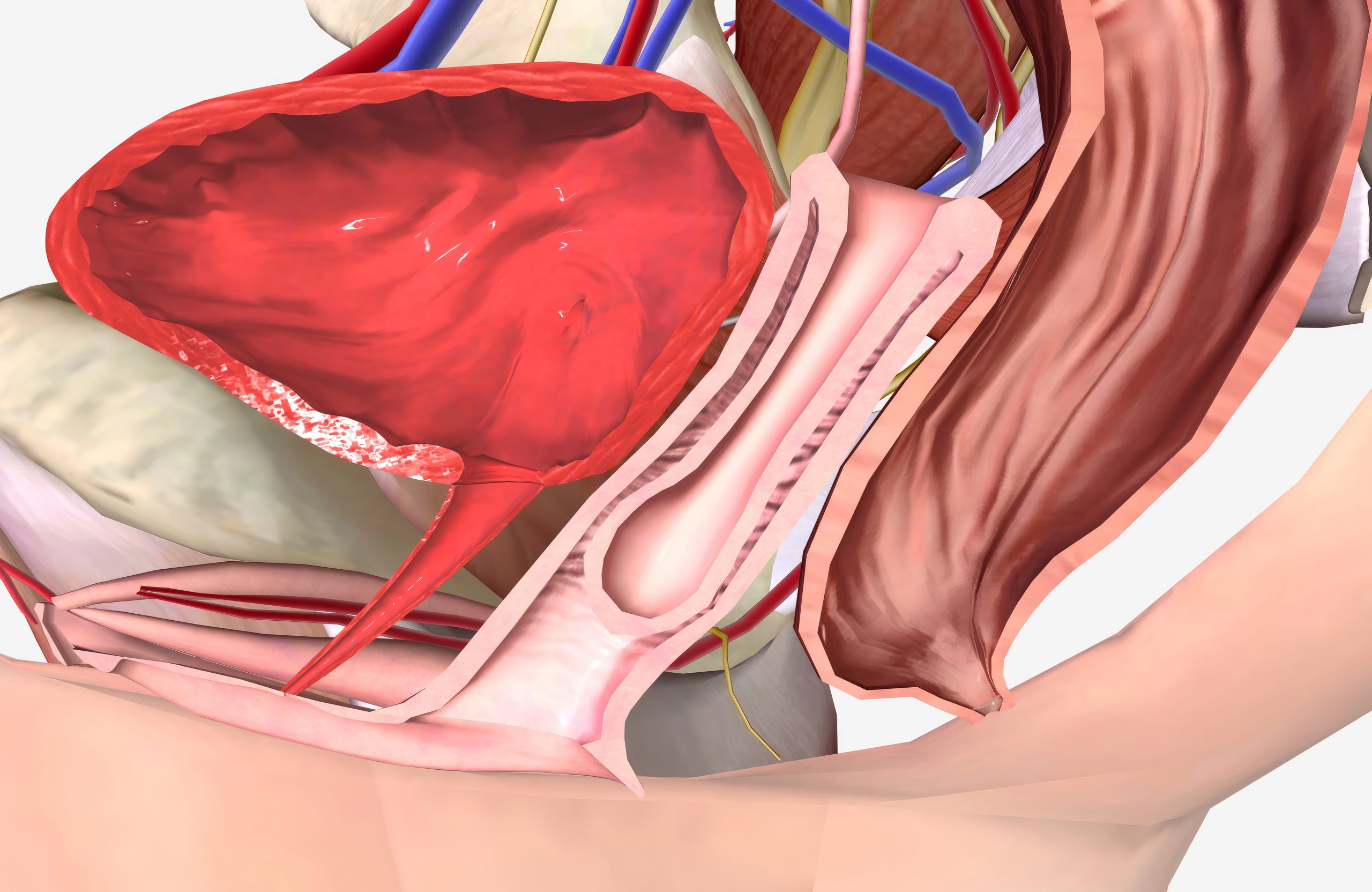
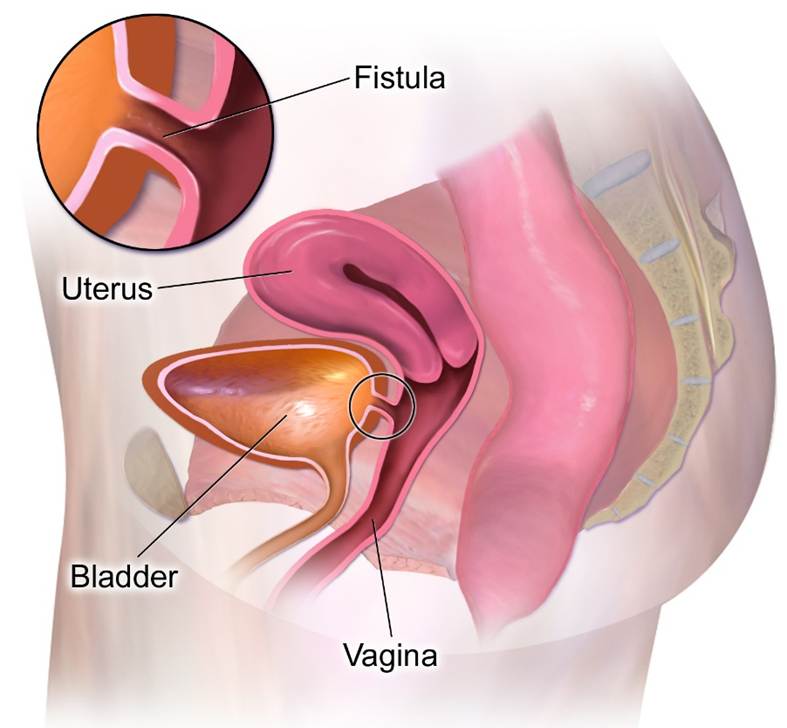
The pelvic floor plays a crucial role in maintaining bladder, bowel, and reproductive health. It acts like a supportive hammock, holding up the bladder, uterus, vagina, and rectum through a network of muscles, ligaments, and connective tissues. When this support system weakens or is damaged, pelvic organs can shift or descend — leading to a range of symptoms that affect urinary and bowel control, pelvic comfort, and overall quality of life.
Pelvic organ conditions are often complex and interlinked. A problem in one area can easily affect another because the organs share common support structures and nerve pathways. Understanding these conditions — and their impact on normal bladder and bowel function — is key to getting the right diagnosis and care.
Cystocele (Bladder Prolapse)
A cystocele occurs when the bladder drops or bulges into the front wall of the vagina.
Symptoms may include:
Impact:
When the bladder’s position changes, it can’t empty properly. This may cause urine retention, frequent urges to urinate, or incomplete emptying — often leading to infections and discomfort. Over time, the bladder’s natural control mechanisms become strained, affecting both urinary function and confidence.
Enterocele
An enterocele occurs when a portion of the small intestine descends into the upper part of the vaginal canal. It’s more common in women who have had a hysterectomy or significant pelvic floor weakening.
Symptoms may include:
Impact:
Because the small intestine presses on the bladder and rectum, an enterocele can lead to both urinary frequency and bowel dysfunction. Patients may struggle with incomplete evacuation, constipation, or a constant feeling of pressure in the pelvis.
Rectocele
A rectocele happens when the rectum pushes into the back wall of the vagina due to weakened pelvic floor tissue.
Symptoms may include:
Impact:
This condition primarily affects bowel function. The rectum loses its normal support, making it difficult to pass stool effectively. Over time, the straining that results can worsen both the rectocele and neighbouring pelvic conditions such as cystocele or enterocele.
Myoma (Uterine Fibroids) and Enlarged Uterus
Fibroids are non-cancerous growths of the uterine muscle that can enlarge the uterus.
Symptoms may include:
Impact:
When the uterus enlarges, it presses on adjacent organs. The bladder may not fill or empty fully, while bowel movements may become difficult. Many women experience both urinary urgency and constipation due to this mechanical pressure.
Overactive Bladder (OAB) and Voiding Dysfunction
Overactive bladder is characterised by sudden urges to urinate, often accompanied by frequency and occasional leakage.
Symptoms may include:
Impact:
This condition affects the bladder’s nerve control and muscle coordination, often leading to social anxiety and disrupted sleep. OAB can also develop secondary to pelvic organ prolapse, where bladder positioning interferes with normal muscle and nerve signalling.
Constipation and Chronic Straining
Chronic constipation is more than an inconvenience — it’s one of the leading causes and aggravators of pelvic floor dysfunction.
Symptoms may include:
Impact:
Repeated straining increases intra-abdominal pressure, stretching and weakening the pelvic support structures. This can trigger or worsen conditions like cystocele, rectocele, and enterocele — perpetuating a cycle of pelvic floor stress and dysfunction.
The Interconnected Nature of Pelvic Floor Disorders
Pelvic organ conditions rarely exist in isolation. The bladder, uterus, and rectum are supported by the same network of tissues — meaning that weakness in one area often leads to dysfunction in another.
For example:
This interconnection is why symptoms may overlap and why accurate diagnosis is so important.
Why Specialist Evaluation Matters
Pelvic organ disorders can be complex to diagnose, as symptoms often mimic other urological or gynaecological conditions. A thorough evaluation from a specialist in urology and urogynaecology, like Dr MC Conradie, is essential for accurate diagnosis and treatment planning.
Dr Conradie specialises in female pelvic floor medicine and reconstructive urology, with expertise in minimally invasive laparoscopic and robotic surgery. This advanced approach allows for precise anatomical assessment and correction when needed — restoring normal organ positioning and improving bladder and bowel function with minimal recovery time.
While conservative options such as physiotherapy and lifestyle changes may provide relief, complex cases often require surgical expertise to address the underlying anatomical cause effectively. A coordinated approach ensures that the bladder, bowel, and reproductive organs all function harmoniously once again.
In Summary
Pelvic organ conditions like cystocele, enterocele, rectocele, and fibroids can significantly disrupt bladder and bowel function. These disorders are not merely uncomfortable — they affect confidence, intimacy, and quality of life. Understanding the relationship between the pelvic organs and seeking help from a specialist urologist and urogynaecologist ensures that the root cause is identified and treated effectively. Through advanced diagnostic tools and minimally invasive surgical techniques, Dr MC Conradie helps restore not only pelvic structure but also the function and comfort every patient deserves.