
A bladder cancer diagnosis can raise one of the most difficult questions a patient will face: Can my bladder be saved, or will it need to be removed? For many patients, the possibility of losing their bladder is frightening. Beyond concerns about cancer, they may worry about how they will pass urine, whether they will […]
A bladder cancer diagnosis can raise one of the most difficult questions a patient will face: Can my bladder be saved, or will it need to be removed?
For many patients, the possibility of losing their bladder is frightening. Beyond concerns about cancer, they may worry about how they will pass urine, whether they will need a permanent external collection bag, and how treatment might affect their independence and quality of life.
Fortunately, a diagnosis of bladder cancer does not automatically mean the bladder must be removed. Modern treatment offers several possibilities, from removing a tumour while preserving the bladder to more extensive surgery and urinary reconstruction.
However, not every approach is suitable for every patient.
The most important question is not simply whether the bladder can be preserved, but whether preserving it offers an appropriate and effective way to treat the cancer.
Understanding how surgeons make this decision can help patients participate more confidently in discussions about their treatment.
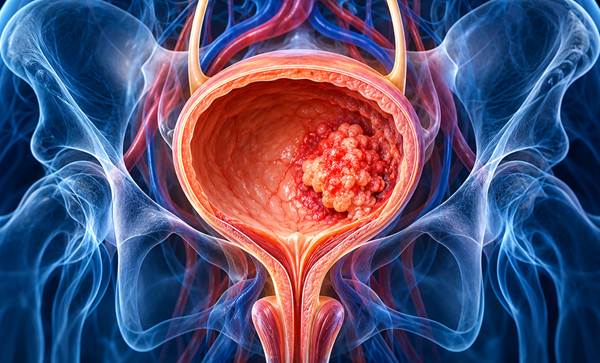
Before recommending treatment, specialists need to understand how deeply the cancer has grown into the bladder wall and whether it has spread beyond the bladder.
The bladder wall consists of several layers, including an inner lining, supporting tissue and a deeper muscular layer responsible for helping the bladder empty. Bladder cancer is broadly classified into two categories.
Bladder preservation is often possible when cancer is detected before it invades the bladder muscle. Following TURBT, some patients may require additional treatment delivered directly into the bladder. This is called intravesical therapy.
Depending on the risk category, treatment may include chemotherapy or Bacillus Calmette-Guérin (BCG), an immunotherapy used to reduce the risk of recurrence or progression in selected patients. Although the bladder remains intact, regular follow-up is essential because bladder cancer can return.
For selected patients with muscle-invasive disease, a different bladder-preserving approach may also be considered. This is known as trimodality therapy and generally combines three treatments: removal of as much visible tumour as possible through TURBT, radiotherapy and chemotherapy given alongside radiotherapy.
The aim is to treat the cancer while retaining the patient’s original bladder. Not everyone is a suitable candidate. The cancer’s extent, tumour characteristics, bladder function and the patient’s ability to undergo treatment and follow-up all influence whether this approach is appropriate.
Importantly, bladder preservation should never be confused with simply choosing less treatment. It can involve an intensive treatment programme and ongoing monitoring.
In some cases, removing the bladder offers the most appropriate approach to controlling the cancer. The operation is known as a radical cystectomy.
It is an established treatment for muscle-invasive bladder cancer and may also be recommended for certain very high-risk non-muscle-invasive cancers, particularly when the cancer has not responded adequately to treatment within the bladder.
Depending on the individual case, radical cystectomy involves removing the bladder, nearby lymph nodes and sometimes adjacent reproductive structures. Additional treatment, such as chemotherapy or immunotherapy before or after surgery, may also be recommended according to the cancer stage, the patient’s health and the treatment plan.
The decision to remove the bladder is not taken lightly. However, when the cancer has an increased likelihood of progressing or spreading, attempting to preserve the organ may expose the patient to risks that outweigh the potential benefits.
In these circumstances, prioritising effective cancer treatment may mean recommending bladder removal rather than preservation.
Two patients with bladder cancer may receive very different treatment recommendations, even when their initial symptoms appear similar. This is because the decision involves much more than whether a tumour is present.
These concerns deserve careful discussion alongside the clinical findings. The eventual recommendation should reflect both the cancer’s characteristics and the patient’s individual circumstances.
One of the greatest concerns surrounding bladder removal is how the body will store and eliminate urine afterwards. Fortunately, urinary reconstruction and diversion techniques provide different options.
An ileal conduit uses a short section of intestine to direct urine through an opening in the abdominal wall, called a stoma, into an external collection bag.
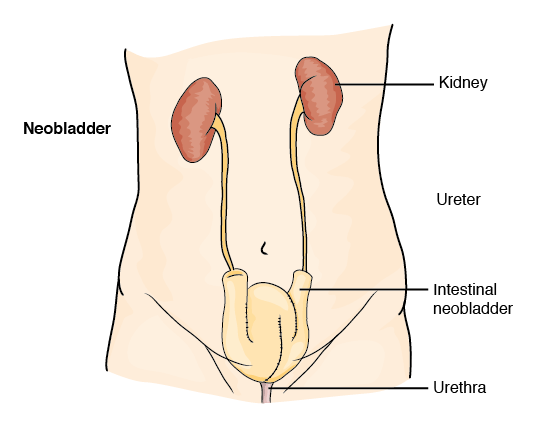
For appropriately selected patients, a neobladder may be possible. This involves creating a new internal urinary reservoir using a section of the patient’s intestine. The reservoir may be connected to the urethra, allowing urine to pass through the natural urinary passage.
However, a neobladder does not function exactly like the original bladder. Patients must learn new emptying techniques, and some may experience leakage or require additional assistance to empty the reservoir. Not everyone is suitable for this reconstruction.
The choice of urinary diversion depends on factors such as cancer location, urethral involvement, kidney function, general health and the patient’s ability to manage the reconstruction.
Dr MC Conradie’s existing article, Life After Bladder Cancer: A New Beginning with a Neobladder, explores this aspect of treatment in more detail.
Whether the bladder is preserved or removed, bladder cancer treatment does not end when the initial procedure is completed. Patients who retain their bladder require regular surveillance to identify recurrence or changes that may need further treatment. This can involve cystoscopy, urine tests and imaging, depending on the cancer and treatment received.
For patients treated with bladder-preserving chemoradiotherapy, close monitoring is particularly important. If invasive cancer persists or returns, bladder removal may still become necessary.
Patients who undergo cystectomy also require follow-up to monitor for recurrence and assess kidney function, urinary diversion and potential long-term complications.
Preserving the bladder does not eliminate the need for ongoing cancer surveillance, just as removing it does not eliminate every risk of recurrence.
Understanding the follow-up requirements is therefore an essential part of choosing a treatment approach.
When considering bladder preservation or removal, patients should feel comfortable asking their specialist questions.
These are important conversations, particularly when major surgery or a prolonged course of treatment is being considered. For patients with muscle-invasive bladder cancer, a multidisciplinary team can help assess the available options. This may include input from urologists, oncologists, radiation oncologists and other specialists involved in cancer care.
The aim is to select a treatment strategy that offers appropriate cancer control while considering the patient’s health, function and quality of life.
If you have been diagnosed with bladder cancer, have concerns about a recommended operation or would like to understand your treatment options, a specialist urological consultation can help clarify the next steps.
Dr MC Conradie specialises in minimally invasive and reconstructive urological surgery, including the surgical management of bladder cancer.
Contact Dr MC Conradie’s practice to arrange a consultation and discuss your individual circumstances.Medical disclaimer: This article is intended for general educational purposes and does not replace individual medical advice. Treatment recommendations depend on the patient’s diagnosis, clinical findings and specialist assessment.