


Urinary incontinence is a condition that affects millions of women worldwide — and yet, it often remains a “silent problem.” Many women feel embarrassed to talk about it, assuming it is just part of ageing, a consequence of childbirth, or something they must learn to live with. The truth is, urinary incontinence is a medical […]

Urinary incontinence is a condition that affects millions of women worldwide — and yet, it often remains a “silent problem.” Many women feel embarrassed to talk about it, assuming it is just part of ageing, a consequence of childbirth, or something they must learn to live with. The truth is, urinary incontinence is a medical condition that can be accurately diagnosed and effectively treated, particularly when evaluated by a urological specialist.
Among the different types of incontinence, Stress Urinary Incontinence (SUI) is the most common. Thanks to advances in minimally invasive surgery, women no longer need to suffer in silence. Procedures such as the Trans-Obturator Tape (TOT) sling and urethral bulking agents now offer safe and effective solutions tailored to individual needs.
How Stress Urinary Incontinence Develops
Stress incontinence occurs when the pelvic floor muscles, connective tissues, and urethral support structures weaken. As a result, the urethra does not remain closed during moments of increased abdominal pressure. This leads to involuntary leakage of urine when laughing, sneezing, coughing, exercising, or lifting heavy objects.
Contributing factors include:
The impact of SUI extends far beyond the physical symptoms. Many women limit physical activity, avoid social events, or experience reduced intimacy due to fear of leakage — severely affecting quality of life, confidence, and emotional well-being.
The Importance of Correct Diagnosis
Not all urinary incontinence is the same, and this is why precise diagnosis is critical. While stress incontinence is mechanical, urge incontinence is caused by an overactive bladder, and mixed incontinence involves elements of both. Treating the wrong type with the wrong method may not only fail, but worsen symptoms.
Diagnostic steps may include:
Cystoscopy plays a particularly important role because it allows the surgeon to plan the most appropriate intervention while excluding other conditions. This ensures that surgery, if needed, is tailored to the individual’s anatomy and health.
Treatment Options for Stress Urinary Incontinence
For mild to moderate cases, conservative therapies may bring significant improvement. These include:
However, when conservative management is unsuccessful — particularly in cases of moderate to severe stress incontinence — surgical intervention is the most reliable and lasting solution.
Minimally Invasive Surgical Solutions
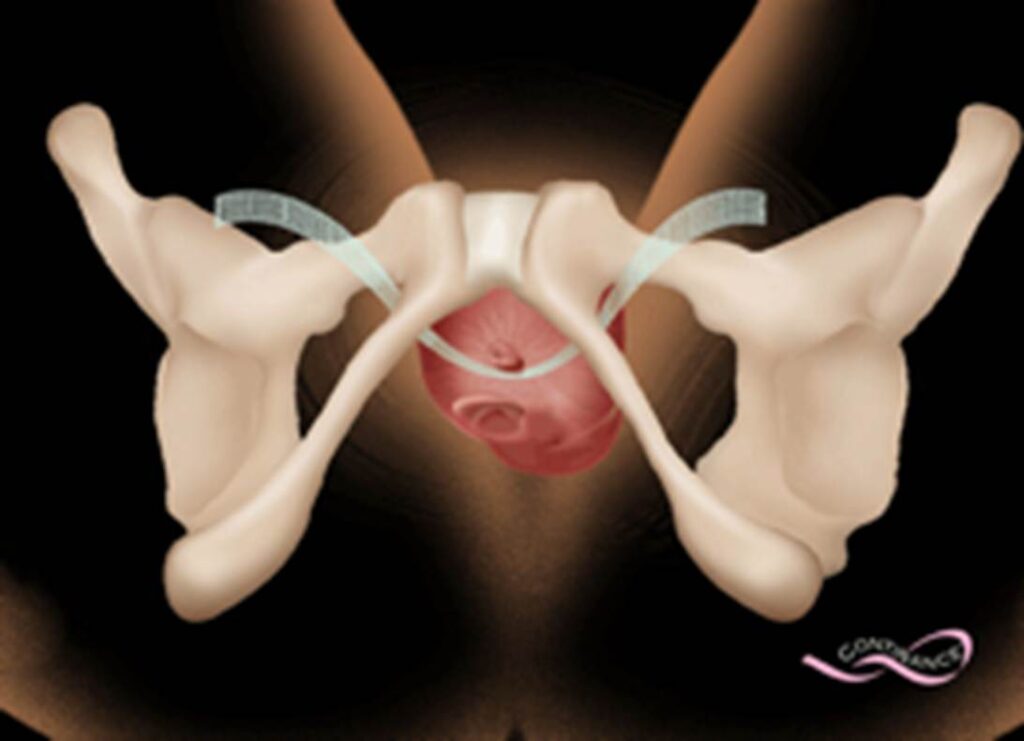
The TOT Sling Procedure
The Trans-Obturator Tape (TOT) sling procedure has become a gold standard in the surgical management of stress incontinence.
How it works:
Benefits:
(Image Source: Urology Waikato, https://urologywaikato.co.nz/patient-resources/surgery-for-female-stress-urinary-incontinence/ )
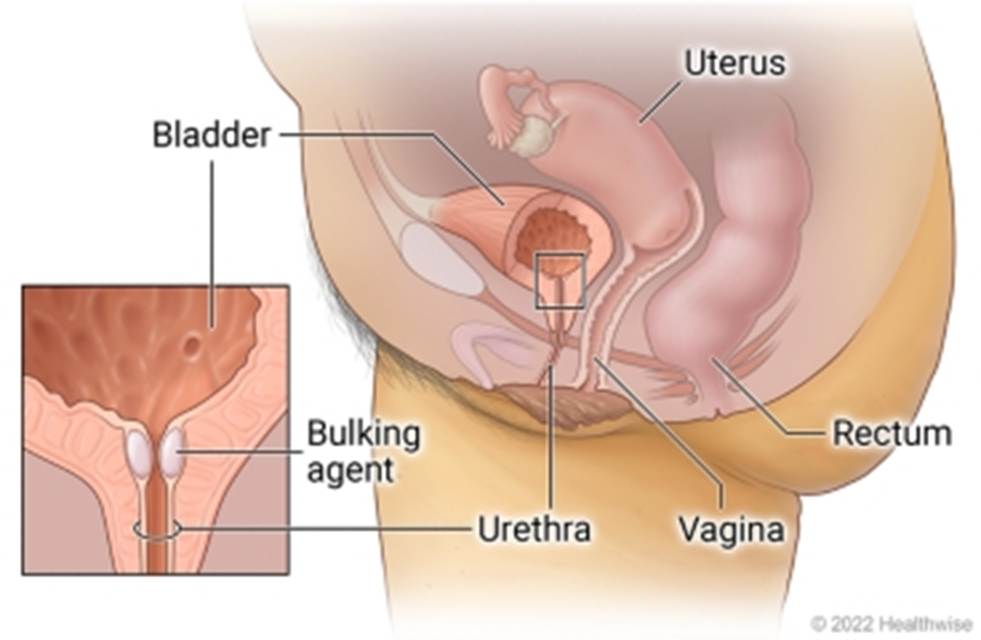
Bulking Agents
For women who are not ideal candidates for sling surgery — due medical conditions, or preference — urethral bulking injections are an effective alternative.
How they work:
Benefits:
While bulking agents may not offer the same long-term success as slings, they are a valuable solution for patients seeking symptom relief without major surgery.
How Does the Surgeon Decide Between a TOT Sling or Bulking Agent?
Choosing the right procedure is not a “one-size-fits-all” decision. It depends on the severity of symptoms, the patient’s lifestyle, and individual health factors.
A specialist in incontinence will carefully evaluate each case before recommending the most suitable option. Broadly:
This decision-making process highlights why seeing a specialist in female incontinence surgery is essential — ensuring the treatment chosen matches both the patient’s symptoms and their lifestyle goals.
(Image Source: Fore River Urology, https://www.foreriverurology.com/female-stress-incontinence/urethral-bulking/ )
Why Choose a Urological Specialist
While the TOT sling procedure and bulking agents are highly effective, success depends on careful patient selection, accurate diagnosis, and precise surgical technique. This is where specialist urological expertise becomes essential.
Dr MC Conradie is an internationally recognised urological surgeon with advanced training in:
With this expertise, patients benefit from:
Regaining Confidence and Quality of Life
Stress urinary incontinence is not just a medical condition — it’s a quality-of-life issue that affects relationships, physical activity, and emotional health. The good news is that with modern surgical options like the TOT sling or urethral bulking agents, women can reclaim their confidence and live without constant worry about leakage.
If you are struggling with stress incontinence, or if you are a healthcare professional looking to refer a patient, Dr Conradie offers world-class expertise in diagnosis, surgical treatment, and long-term care.
Take the step towards freedom and confidence — book a consultation with Dr MC Conradie today.

