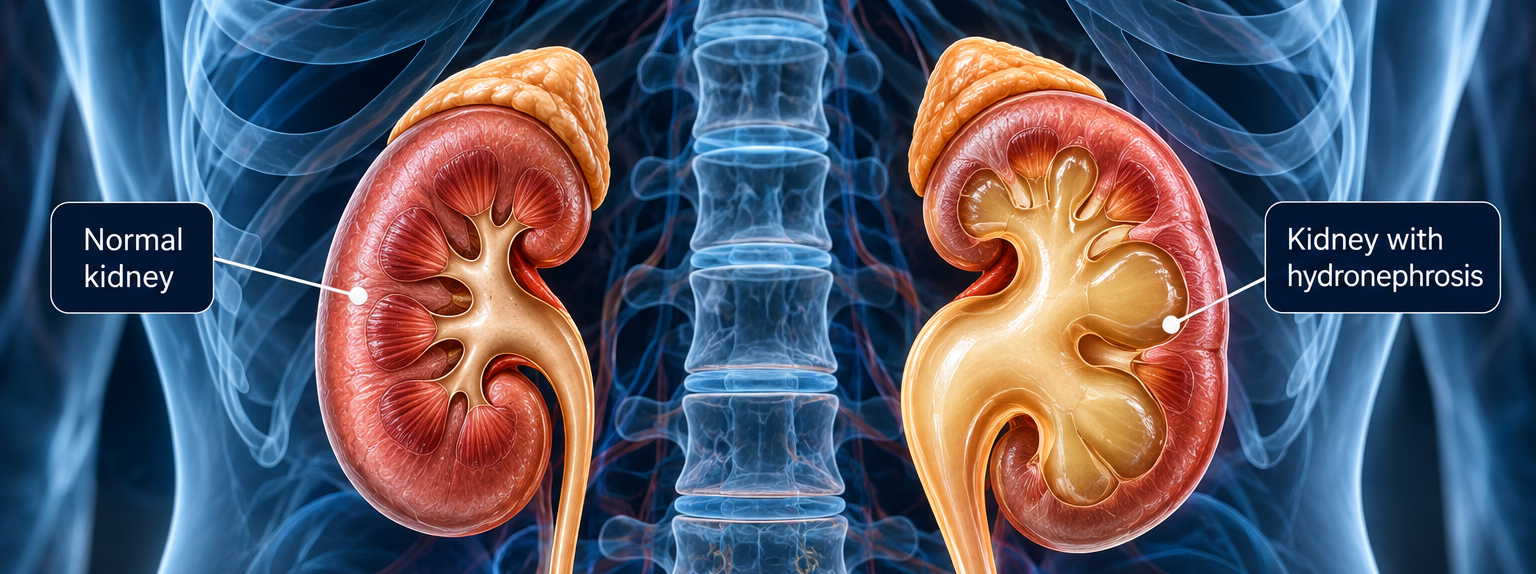
Kidney Stones: Causes, Symptoms, and How to Prevent Them

Kidney stones are a common yet painful condition affecting millions of people worldwide. These hard mineral deposits form in the kidneys and can cause severe discomfort when passing through the urinary tract. Understanding what causes kidney stones, recognising the symptoms, and taking proactive steps to prevent them can make a significant difference in maintaining your […]

Kidney stones are a common yet painful condition affecting millions of people worldwide. These hard mineral deposits form in the kidneys and can cause severe discomfort when passing through the urinary tract. Understanding what causes kidney stones, recognising the symptoms, and taking proactive steps to prevent them can make a significant difference in maintaining your kidney health.

What Causes Kidney Stones?

Kidney stones develop when substances such as calcium, oxalate, and uric acid become concentrated in the urine, forming crystals that clump together. Several factors contribute to the formation of these stones, including:

  • Dehydration – Not drinking enough water can lead to concentrated urine, increasing the risk of stone formation.
  • Dietary Choices – High intake of sodium, protein, and oxalate-rich foods (like spinach, nuts, and chocolate) can promote stone formation.
  • Genetics – A family history of kidney stones increases your likelihood of developing them.
  • Certain Medical Conditions – Conditions such as hyperparathyroidism, obesity, and digestive diseases can raise the risk of stone formation.
  • Medications – Some medications, like diuretics and calcium-based antacids, may contribute to stone development.

Symptoms of Kidney Stones

The symptoms of kidney stones can vary depending on their size and location within the urinary tract. Common signs include:

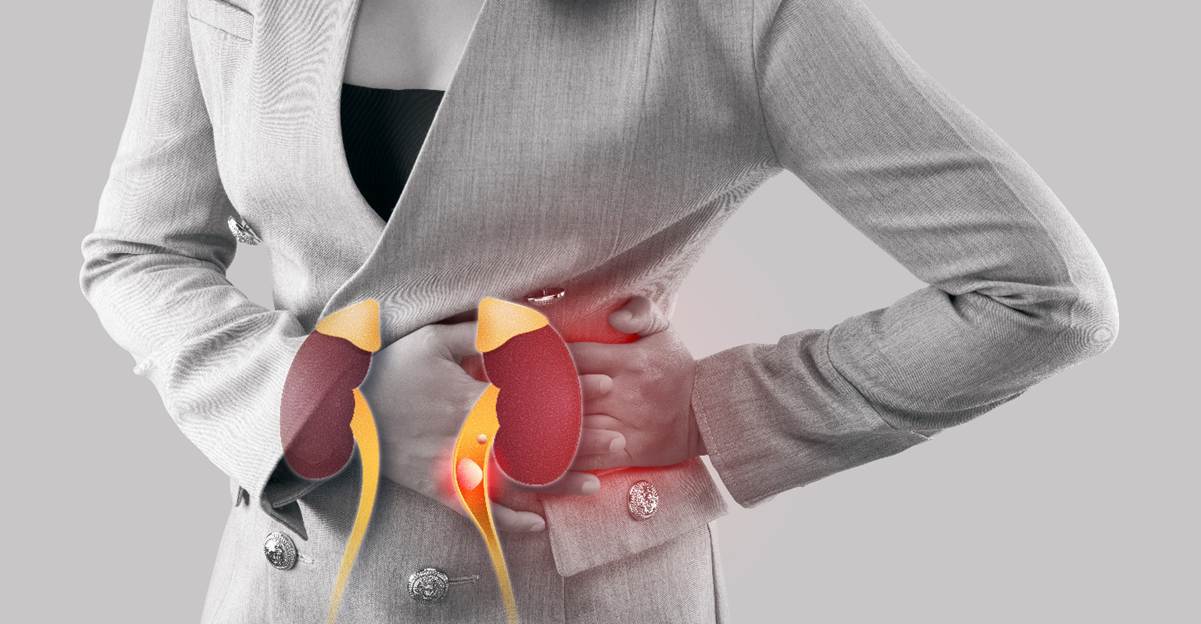
  • Severe Pain – Often felt in the lower back, side, or groin area, kidney stone pain can be intense and sudden.
  • Blood in Urine – Urine may appear pink, red, or brown due to irritation caused by the stone.
  • Frequent Urge to Urinate – Kidney stones can cause irritation and a persistent need to urinate.
  • Painful Urination – A burning sensation or discomfort while urinating may be present.
  • Nausea and Vomiting – The presence of a kidney stone can sometimes cause nausea and vomiting due to intense pain.
  • Cloudy or Foul-Smelling Urine – This may indicate an infection accompanying the kidney stone.

How to Prevent Kidney Stones

The good news is that kidney stones can often be prevented by making simple lifestyle and dietary changes. Here’s how you can reduce your risk:

  1. Stay Hydrated – Drink at least 2-3 litres of water per day to keep your urine diluted and flush out potential stone-forming minerals.
  2. Limit Sodium Intake – Too much salt increases calcium levels in urine, leading to stone formation. Reduce processed foods and high-sodium meals.
  3. Moderate Animal Protein Consumption – High-protein diets can lead to increased uric acid levels, a key component of some kidney stones.
  4. Cut Back on Oxalate-Rich Foods – Foods like spinach, beets, nuts, and tea contain oxalates, which can contribute to stone formation.
  5. Increase Citrate Intake – Citrus fruits like lemons and oranges contain citrate, which helps prevent stone formation.
  6. Monitor Calcium Intake – While calcium is essential for bone health, excessive supplementation can contribute to kidney stones. Get your calcium from dietary sources rather than supplements.
  7. Maintain a Healthy Weight – Obesity and metabolic disorders can increase the risk of kidney stones, so regular exercise and a balanced diet are crucial.
  8. Watch Out for Sugary Drinks – Sodas and drinks high in fructose or phosphoric acid can increase the likelihood of developing kidney stones.

When to Seek Medical Attention

If you experience severe pain, persistent nausea or vomiting, difficulty urinating, or notice blood in your urine, it’s essential to seek medical care immediately. Kidney stones can sometimes lead to complications such as infections or blockages that require urgent medical attention.

Kidney stones can be incredibly painful, but with the right knowledge and preventative measures, you can reduce your risk and protect your kidney health. Stay hydrated, make mindful dietary choices, and consult with a healthcare professional if you have a history of kidney stones or concerns about your risk.

For expert urological care and advanced kidney stone treatment, schedule a consultation with Dr. MC Conradie at Waterfall Urology Practice today. Your health and comfort are our top priorities!
Tags: