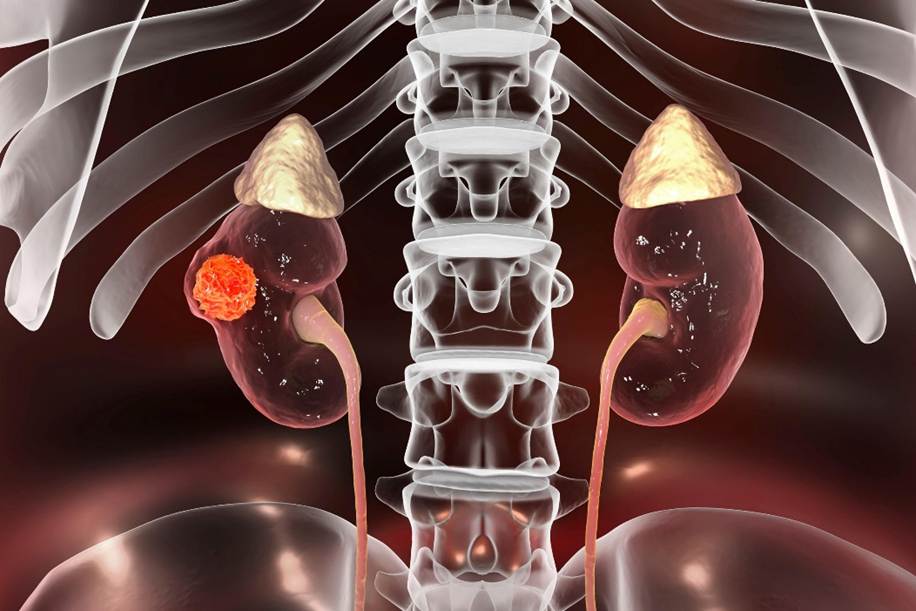
For many patients, the idea of removing a kidney can seem surprisingly straightforward. Because humans are born with two kidneys, it is often assumed that losing one is unlikely to…
Not all kidney tumours are created equal. While advances in imaging, diagnostics, and minimally invasive surgery have transformed modern urology, they have also revealed a more complex truth: some cases…
Blood in the urine — even once, even if painless — is never normal.Haematuria is one of the most important early warning signs in urology, yet many patients delay seeking…
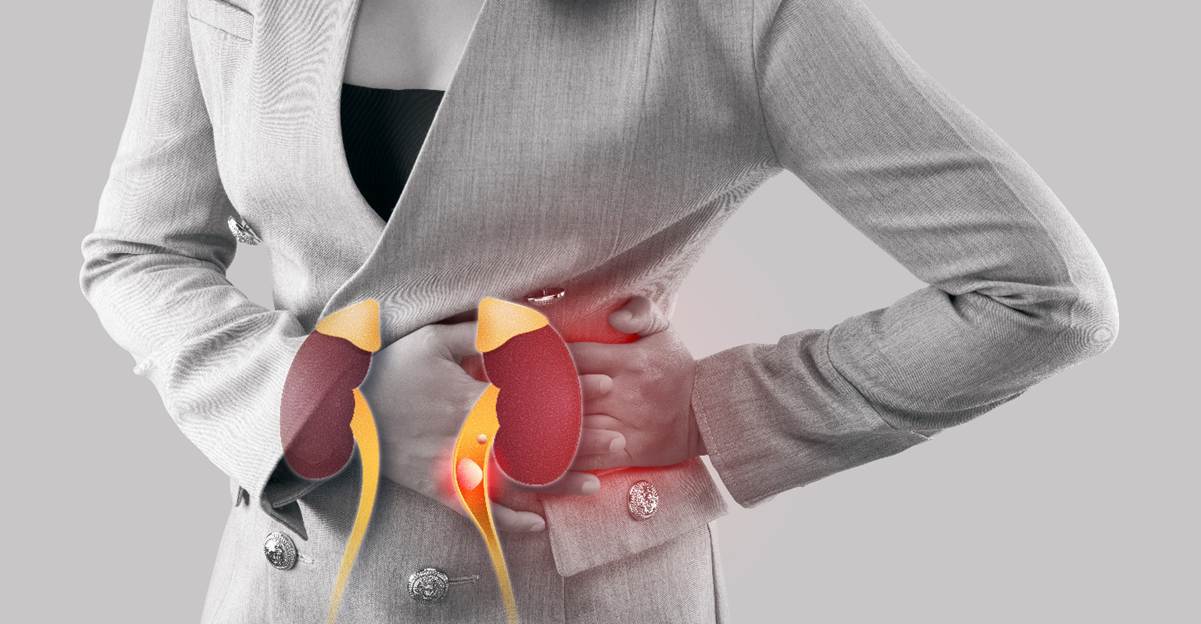
Kidney and ureteric stones (urolithiasis) are common — many patients will encounter renal colic or kidney stones at some point in their life. Stones range from tiny, symptomless crystals to…
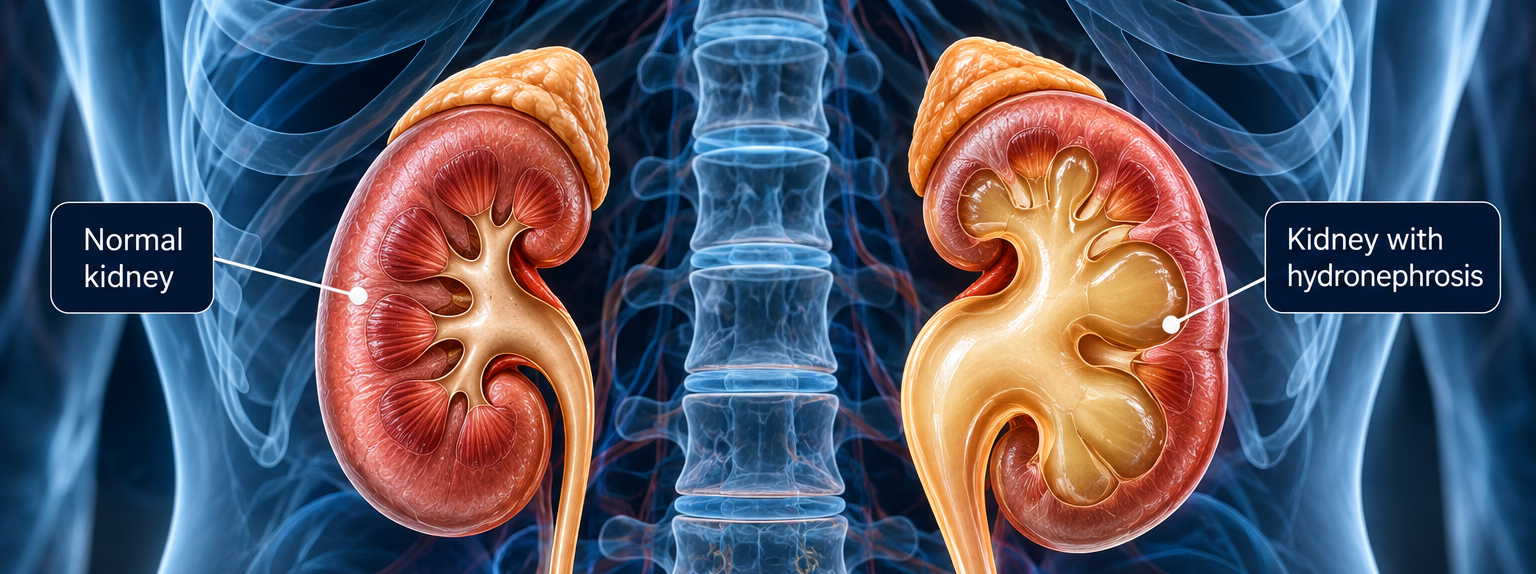
The kidneys play an essential, silent role in keeping the body in balance — filtering waste, maintaining electrolyte levels, and regulating blood pressure. When urine cannot drain properly from the…
The adrenal glands may be small, but their role in maintaining the body’s balance is profound. Nestled just above the kidneys, these triangular glands produce vital hormones such as cortisol,…
When faced with a diagnosis of a kidney tumour, many patients assume the entire kidney must be removed. However, in modern urology, this is no longer always the case.A partial…
When was the last time you thought about your kidneys? Chances are, not very often. Tucked quietly under your ribcage, these two bean-shaped organs work around the clock to keep…
Why Early Detection Matters Urological cancers — including cancers of the prostate, bladder, kidneys, and testicles — often begin with symptoms so subtle that they are dismissed or overlooked. However,…
When it comes to your health, your body often sends early warning signs that something might be off. In urology, those signals may be subtle or easily brushed off. But…