
Urinary symptoms are often treated as everyday inconveniences — something to manage, suppress, or simply live with. Frequent urination, urgency, leakage, or difficulty emptying the bladder are commonly attributed to ageing, lifestyle factors, hormonal changes, or an overactive bladder. For many people, this explanation is correct. But not always. Sometimes the symptoms are not the […]
Urinary symptoms are often treated as everyday inconveniences — something to manage, suppress, or simply live with. Frequent urination, urgency, leakage, or difficulty emptying the bladder are commonly attributed to ageing, lifestyle factors, hormonal changes, or an overactive bladder.
For many people, this explanation is correct. But not always. Sometimes the symptoms are not the problem themselves. They are a signal that something within the structure of the urinary system has changed.
In these cases, treating the symptoms alone may never fully resolve the issue — because the real cause lies deeper.
Why Urinary Symptoms Can Be Misleading
Most urinary symptoms are initially approached as functional problems. The bladder may be assumed to be overactive, irritated, or not coordinating properly with the pelvic floor.
Treatment often reflects this thinking.
Patients may be prescribed medication to calm bladder activity, advised to modify fluid intake, or referred for pelvic floor therapy. These approaches can be very effective when the bladder itself is the source of the problem. But when symptoms persist despite these interventions, it raises an important question.
What if the bladder is not actually the primary problem?
In clinical practice, Dr MC Conradie frequently sees patients who have already tried multiple treatments for urinary symptoms without lasting relief. In many of these cases, the next step is not simply trying another medication — it is looking more closely at whether the underlying cause may be structural.
The Structural Side of Urinary Health
The bladder does not function in isolation. It relies on a carefully balanced system of anatomical support. The urethra, pelvic floor muscles, ligaments, and surrounding pelvic organs all play a role in maintaining normal urinary function. Together, they allow the bladder to store urine comfortably and empty efficiently when needed.
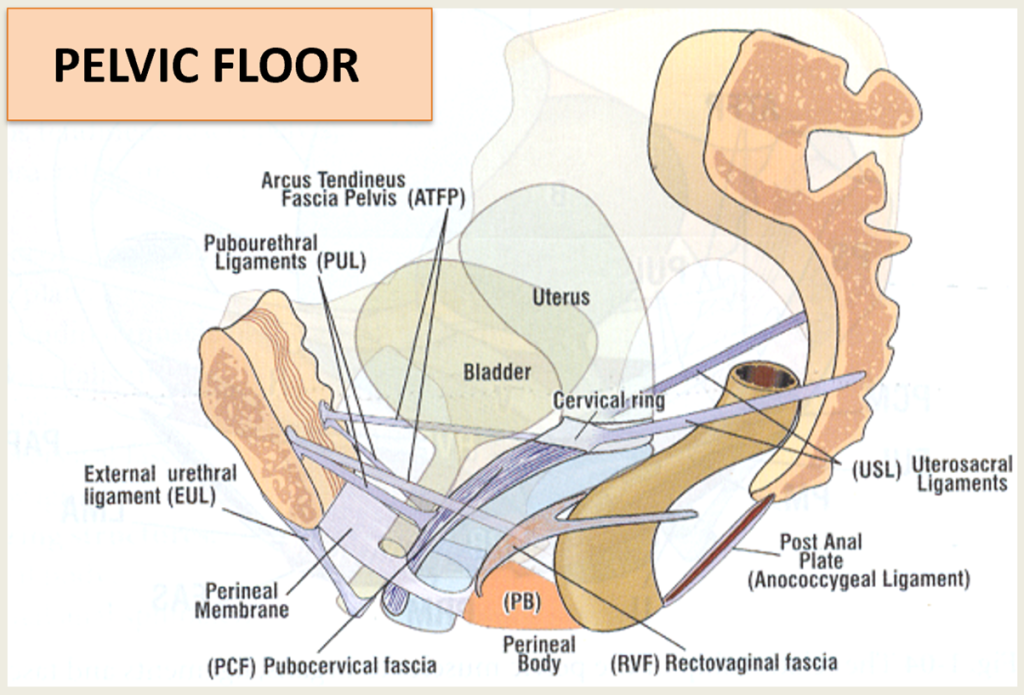
When this structural support system changes — whether due to ageing, childbirth, previous surgery, or anatomical variation — the way the bladder functions can also change. This is where urinary symptoms can become misleading. The bladder may appear to be the source of the problem, while the real issue lies in the structures that support and control it.
When Anatomy Becomes the Cause
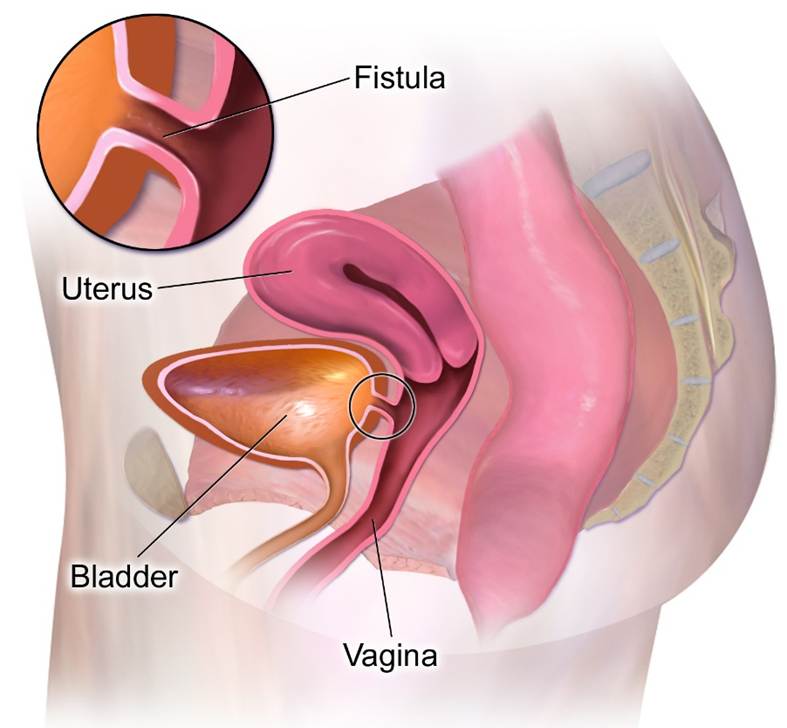
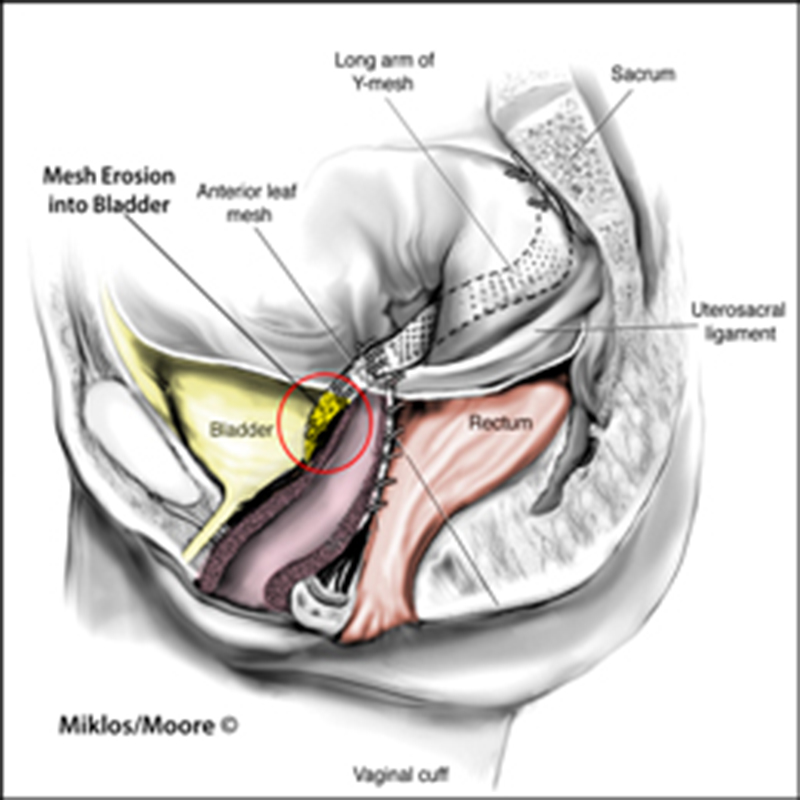
A number of structural conditions can produce urinary symptoms that resemble common bladder disorders.
For example:
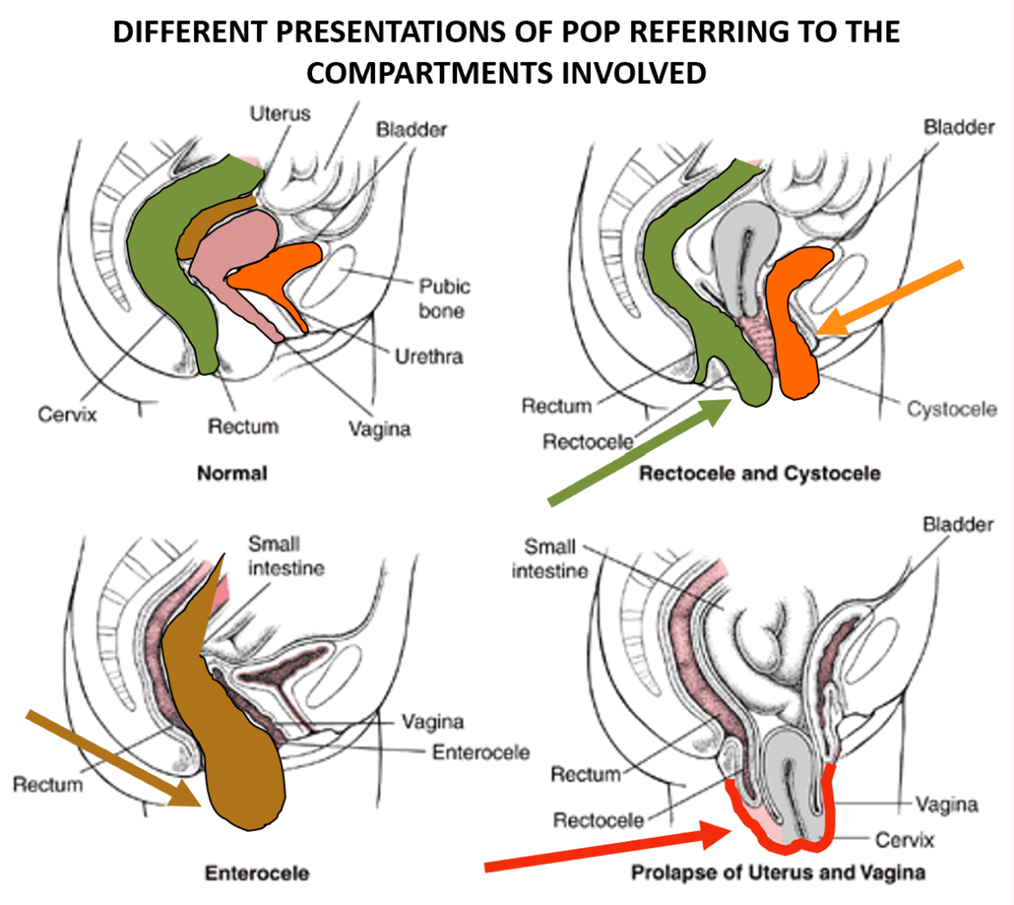
In these situations, the bladder itself may not be the problem. Instead, the surrounding anatomy is influencing how it functions. Dr Conradie’s work in advanced urology and reconstructive pelvic surgery often involves identifying these kinds of underlying structural problems — particularly in patients whose symptoms have not responded to conventional treatment.
Why Identifying Structural Causes Matters
When urinary symptoms are treated without identifying the underlying cause, treatment may focus only on controlling the symptoms. Medication may reduce urgency. Pelvic floor exercises may improve control. Lifestyle changes may ease discomfort.
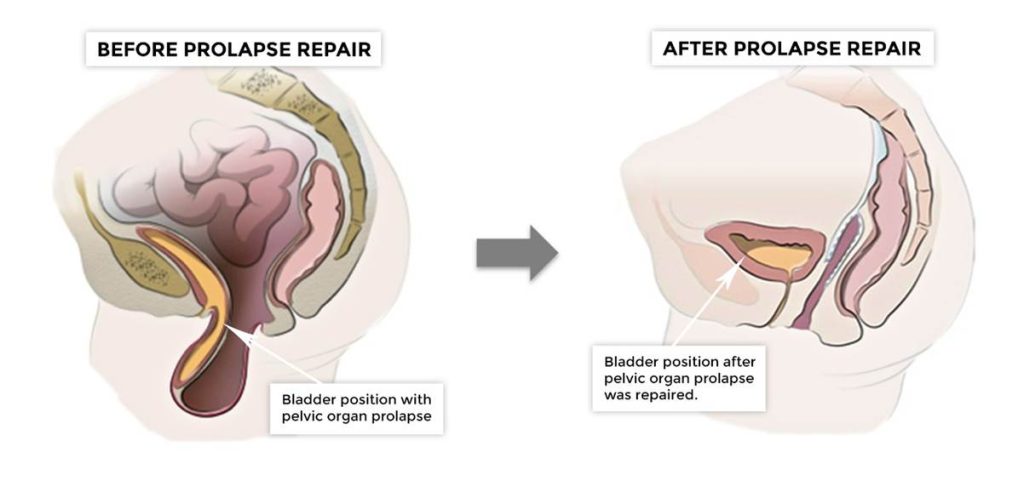
But if structural changes are driving the symptoms, these measures may only provide temporary improvement. Understanding why the symptoms are occurring is essential. Once the structural cause is identified, treatment can be directed toward addressing the underlying problem rather than simply managing its effects.
Looking Beyond the Symptoms
Evaluating persistent urinary symptoms often requires looking beyond the bladder alone. In Dr Conradie’s approach, this means considering both the functional and structural aspects of the urinary system. Careful clinical evaluation, imaging, and specialised investigations can help determine whether the symptoms are related to bladder function, anatomical changes, or a combination of both.
This deeper level of assessment is particularly important for patients who have experienced ongoing symptoms despite previous treatment.
When It May Be Time to Look Deeper
Certain situations may suggest that urinary symptoms deserve further investigation.
These include:
For patients experiencing these challenges, further evaluation can help determine whether a structural issue is contributing to the symptoms.
Understanding the Real Problem
Urinary symptoms can sometimes be more than they appear. When functional treatments don’t bring lasting relief, it’s important to consider whether structural issues may be contributing to the problem.
For patients, ongoing symptoms are signals to take action. Consulting with an experienced urologist or urogynaecologist, such as Dr MC Conradie, ensures a thorough assessment that looks beyond symptoms to the underlying cause. Early evaluation can provide clarity, guide appropriate treatment, and improve long-term outcomes.
For referring physicians, persistent or complex cases that don’t respond to standard management should be evaluated by a specialist with expertise in advanced urology and urogynaecology. Referring to someone like Dr Conradie, who carefully assesses both functional and structural aspects of the urinary system, can make all the difference in patient care.
Understanding the difference between functional and structural causes is the first step. Taking the next step — whether as a patient or a referring doctor — ensures that urinary problems are addressed at their root, rather than just managed at the surface.
Book a consultation or refer a patient today to explore the best path forward.