


Quality of Life after Bladder Cancer Bladder cancer is one of the more complex cancers to treat because it often involves critical structures of the urinary system. In advanced stages, when the bladder is severely affected, surgical removal (cystectomy) becomes the only life-saving option. Unfortunately, many patients are left devastated when told they will have […]

Quality of Life after Bladder Cancer
Bladder cancer is one of the more complex cancers to treat because it often involves critical structures of the urinary system. In advanced stages, when the bladder is severely affected, surgical removal (cystectomy) becomes the only life-saving option. Unfortunately, many patients are left devastated when told they will have to live with a permanent external urine bag — a change that can feel like a loss of independence and dignity.
But this does not have to be the case. Dr MC Conradie, one of South Africa’s most accomplished urologists and a pioneer in minimally invasive laparoscopic urological surgery, offers a different path. Through advanced minimally invasive laparoscopic or robotic reconstructive techniques, she can create a neobladder, allowing patients to urinate naturally even after their bladder has been removed.
“When others say the only option is to remove the bladder and live with a bag, Dr MC Conradie offers an alternative — the neobladder.”
What Is a Neobladder?
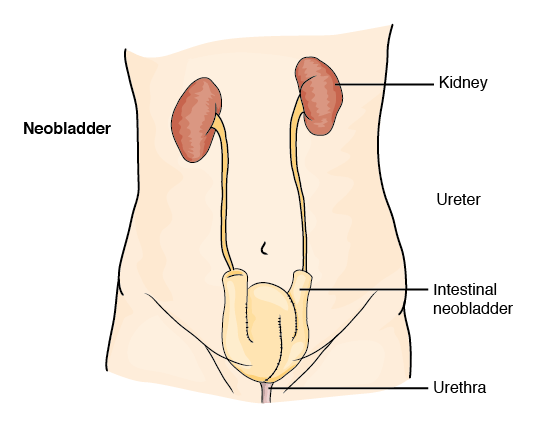
A neobladder is a surgically constructed bladder, made using a segment of the patient’s intestine. During the procedure, Dr Conradie carefully reshapes this section into a spherical reservoir that functions like a natural bladder. It is then connected to the urethra, allowing the patient to urinate in a normal way.
This reconstructive approach not only removes the cancer but also restores an essential part of a patient’s quality of life. By avoiding the need for a permanent external urine collection bag (urostomy), patients can regain confidence and return to their daily routines with dignity.
Why Neobladder Surgery Is Rare — And Why Dr Conradie Can Do It
The neobladder surgery is among the most technically demanding surgeries in urology, requiring meticulous reconstruction and long hours in the operating room. This procedure is best done in high volume centres which provide the expertise due to:
Dr Conradie’s extensive experience in laparoscopic, robotic, and reconstructive urology sets her apart. She is one of the few urologists in South Africa who performs neobladder reconstruction with exceptional outcomes and quality of life for patients.
Her philosophy is simple: no patient should lose hope just because their case is complex.
It’s common for patients to be denied advanced reconstructive procedures due to age, weight, or tumour complexity. Sometimes, hesitation stems from the fear of undergoing a life-changing procedure — but in experienced hands, the risks and recovery challenges can be significantly reduced.
What Recovery Looks Like
While the recovery process after a neobladder operation is longer than standard bladder removal, the long-term rewards are substantial. Patients spend a few days in the hospital, learning to use their new bladder with support from Dr Conradie’s team. Over time, most patients regain full control and resume their daily activities — free from external appliances.
Restoring Dignity, Offering Hope
Bladder cancer can take so much from a person, but Dr Conradie’s expertise in neobladder surgery restores far more than physical function — it restores hope, confidence, and dignity.
Follow us on Facebook, Instagram and LinkedIn for more. Also find out more about Urological Conditions here.

