
Kidney disease means your kidneys are damaged and can’t filter blood the way they should. You are at greater risk for kidney disease if you have diabetes or high blood pressure. If you experience kidney failure, treatments include kidney transplant or dialysis.
The mainstay of treatment of acute pyelonephritis is antibiotics, analgesics, and antipyretics. Nonsteroidal anti-inflammatory drugs (NSAIDs) work well to treat both pain and fever associated with acute pyelonephritis. In severe cases hospitalisation might be required.
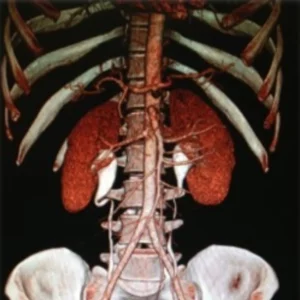
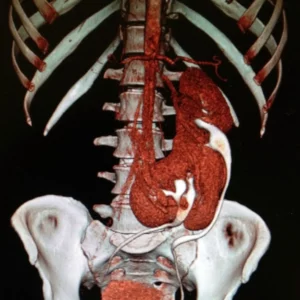
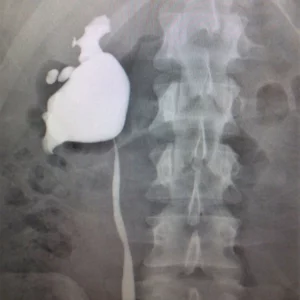
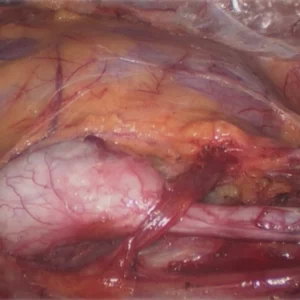
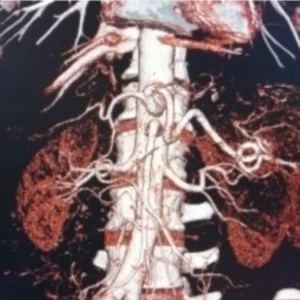
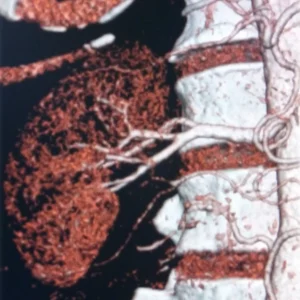
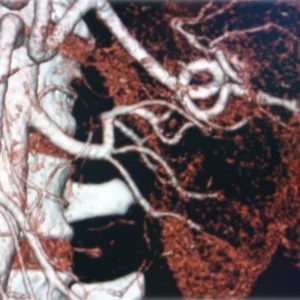
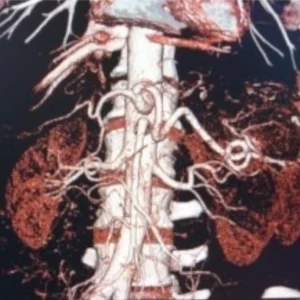
The kidneys are a pair of bean-shaped organs on either side of your spine, below your ribs and behind your belly. Each kidney is about 4 or 5 inches long, roughly the size of a large fist.
The kidneys’ job is to filter your blood. They remove wastes, control the body’s fluid balance, and keep the right levels of electrolytes. All of the blood in your body passes through them several times a day. Blood comes into the kidney, waste gets removed, and salt, water, and minerals are adjusted, if needed. The filtered blood goes back into the body. Waste gets turned into urine, which collects in the kidney’s pelvis — a funnel-shaped structure that drains down a tube called the ureter to the bladder.Each kidney has around a million tiny filters called nephrons. You could have only 10% of your kidneys working, and you may not notice any symptoms or problems. If blood stops flowing into a kidney, part or all of it could die. That can lead to kidney failure.
