- Urinalysis: Providers use a variety of tests to analyse your urine. In this case, they may do urinalysis to rule out infection.
- Cytology: Providers examine cells under a microscope for signs of cancer.
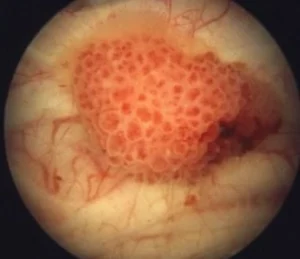
- Cystoscopy: This is the primary test to identify and diagnose bladder cancer. For this test, providers use a pencil-sized lighted tube called a cystoscope to view the inside of your bladder and urethra. They may use a fluorescent dye and a special blue light that makes it easier to see cancer in your bladder. Providers may also take tissue samples while doing cystoscopies.
If urinalysis, cytology and cystoscopy results show you have bladder cancer, healthcare providers then do tests to learn more about the cancer, including:
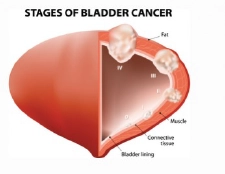
- Transurethral resection of bladder tumor (TURBT): Providers do this procedure to remove bladder tumors for additional tests. TURBT procedures may also be a treatment, removing bladder tumors before the tumors can invade your bladder’s muscle wall. This test is an outpatient procedure done under spinal or general anesthesia.